Water quality analysis is critical in today’s world, impacting public health, environmental sustainability, and economic prosperity. The water quality analyzer price directly influences accessibility to these crucial measurements. Understanding the factors impacting this price – from technology used to maintenance costs – empowers informed decision-making for individuals, industries, and governments alike. Choosing the right analyzer at the right price ensures accurate data, effective resource management, and ultimately, a healthier planet.
Globally, the demand for reliable water quality monitoring is escalating due to increasing pollution, climate change, and stricter regulations. The water quality analyzer price is therefore a significant consideration for organizations ranging from municipal water treatment facilities to environmental research institutions. Factors like portability, parameter testing capabilities, and the level of automation all contribute to the final cost, influencing purchasing decisions.
Investing in a suitable water quality analyzer is not merely an expense; it’s a strategic investment in long-term health, environmental protection, and regulatory compliance. The accurate and affordable assessment of water quality directly supports sustainable development goals and safeguards the well-being of communities worldwide. The water quality analyzer price landscape is evolving, with more affordable and sophisticated options becoming available.
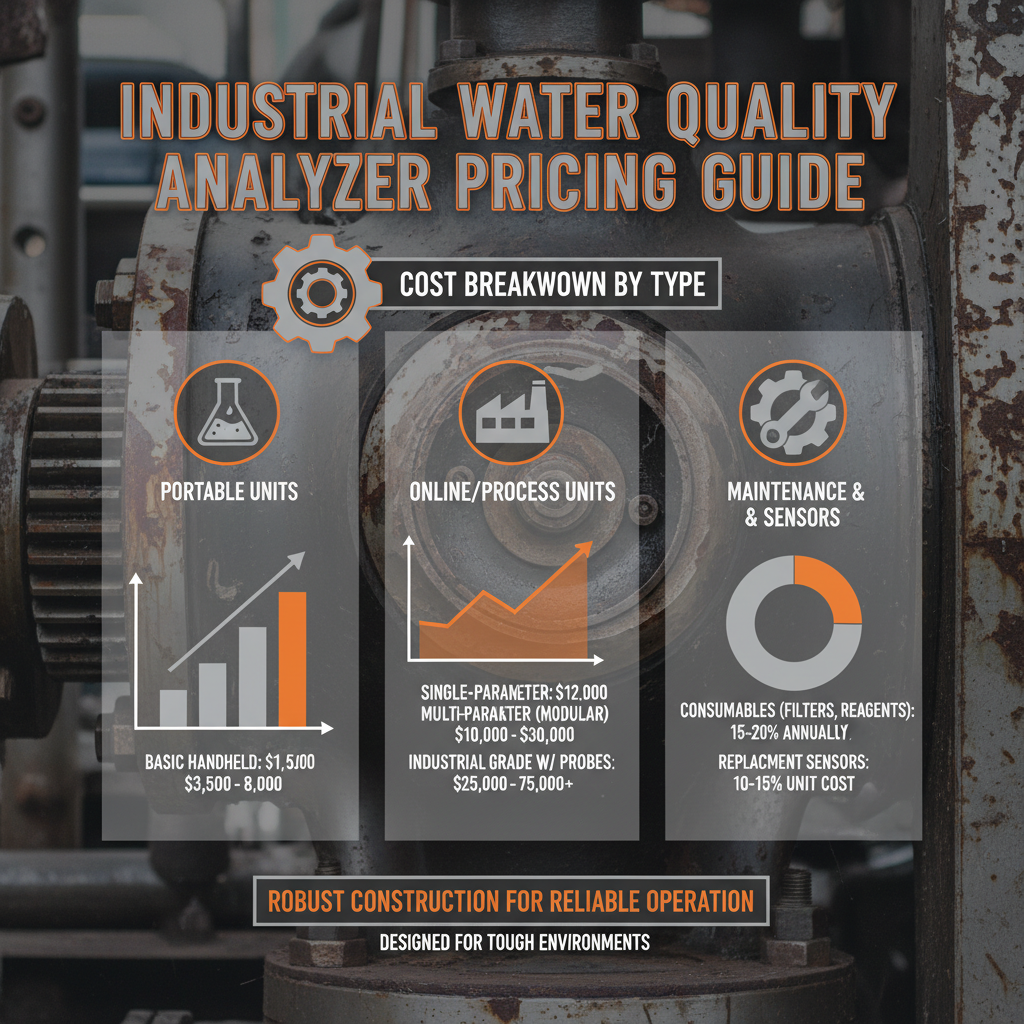
Introduction: The Importance of Water Quality Analyzer Price
The escalating concerns regarding water contamination and scarcity have brought the importance of water quality monitoring to the forefront. Consequently, the water quality analyzer price has become a pivotal factor for both public and private sectors. Accurate assessments require reliable equipment, and understanding the cost implications allows for strategic budget allocation and informed investment decisions.
Access to affordable and dependable water quality analyzers empowers organizations to effectively manage water resources, comply with environmental regulations, and safeguard public health. The initial cost is just one aspect; ongoing maintenance, calibration, and consumables contribute to the total cost of ownership. Careful consideration of these factors is crucial when selecting the right analyzer.
Defining Water Quality Analyzer Price
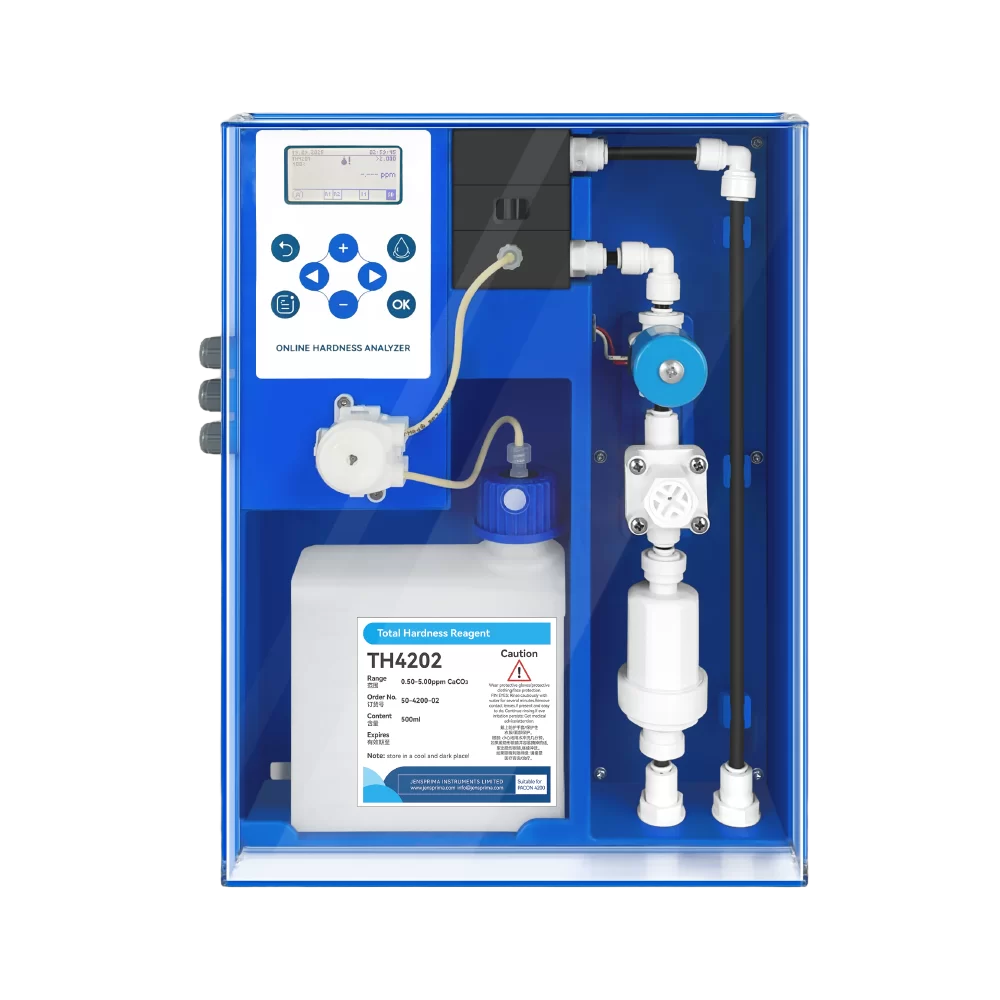
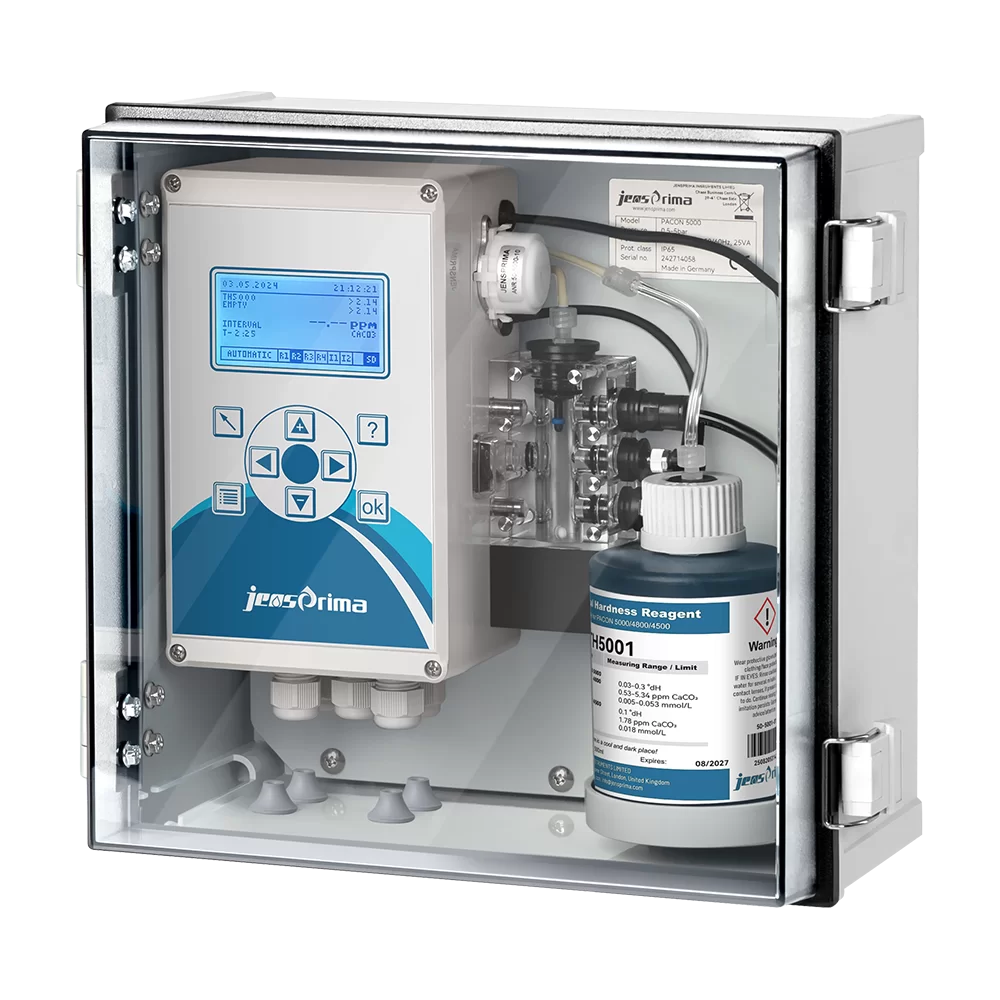
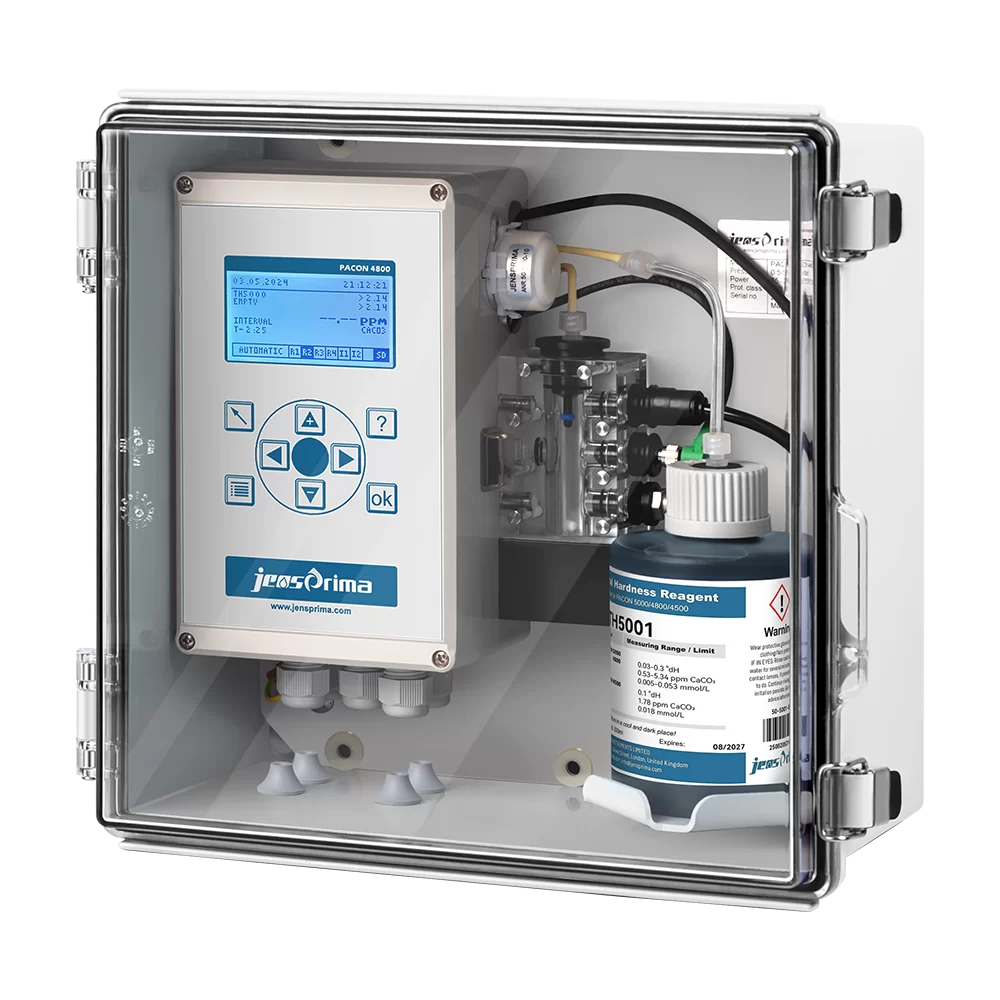
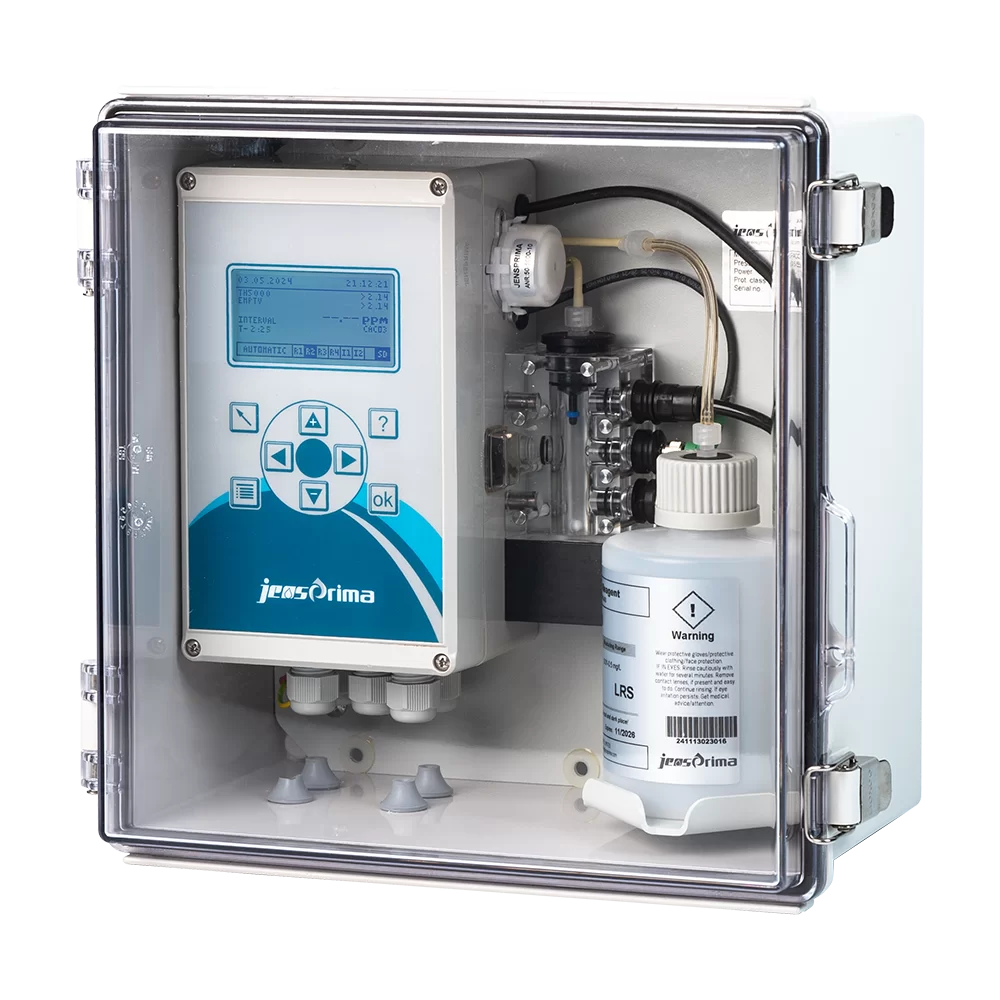
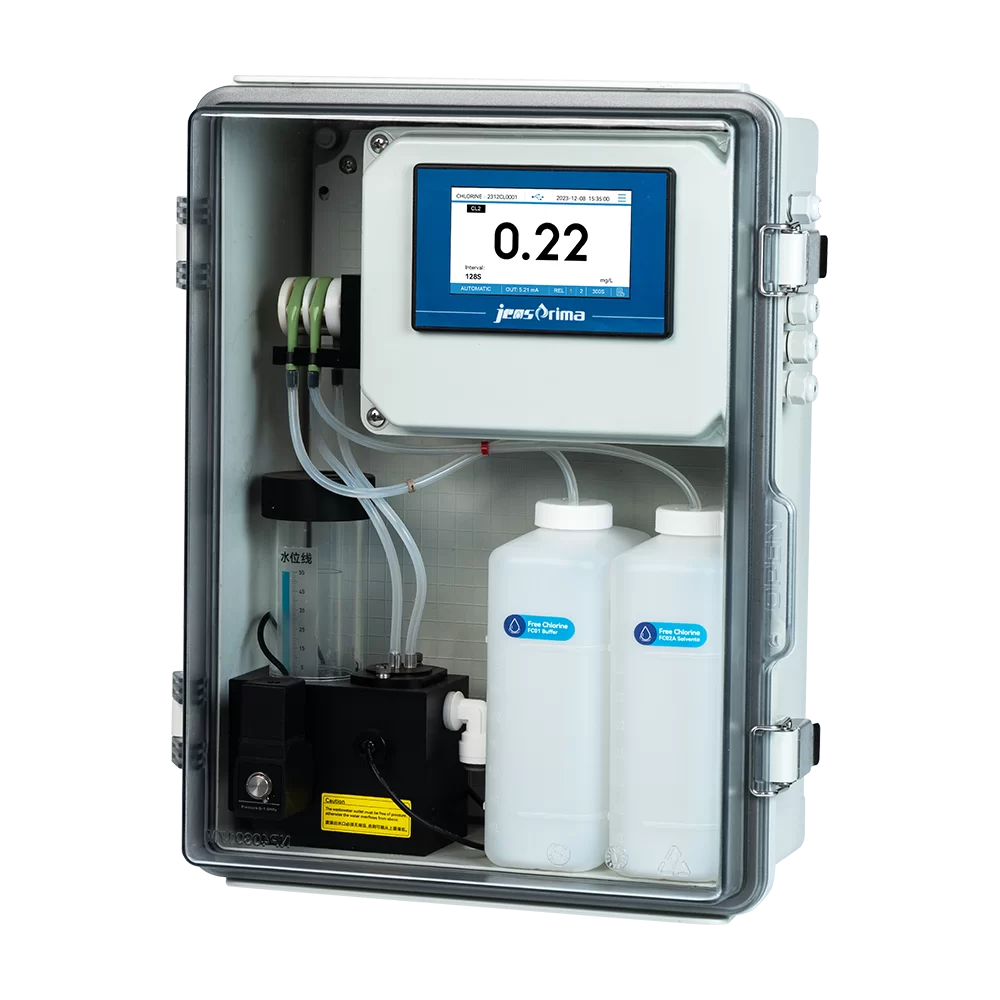
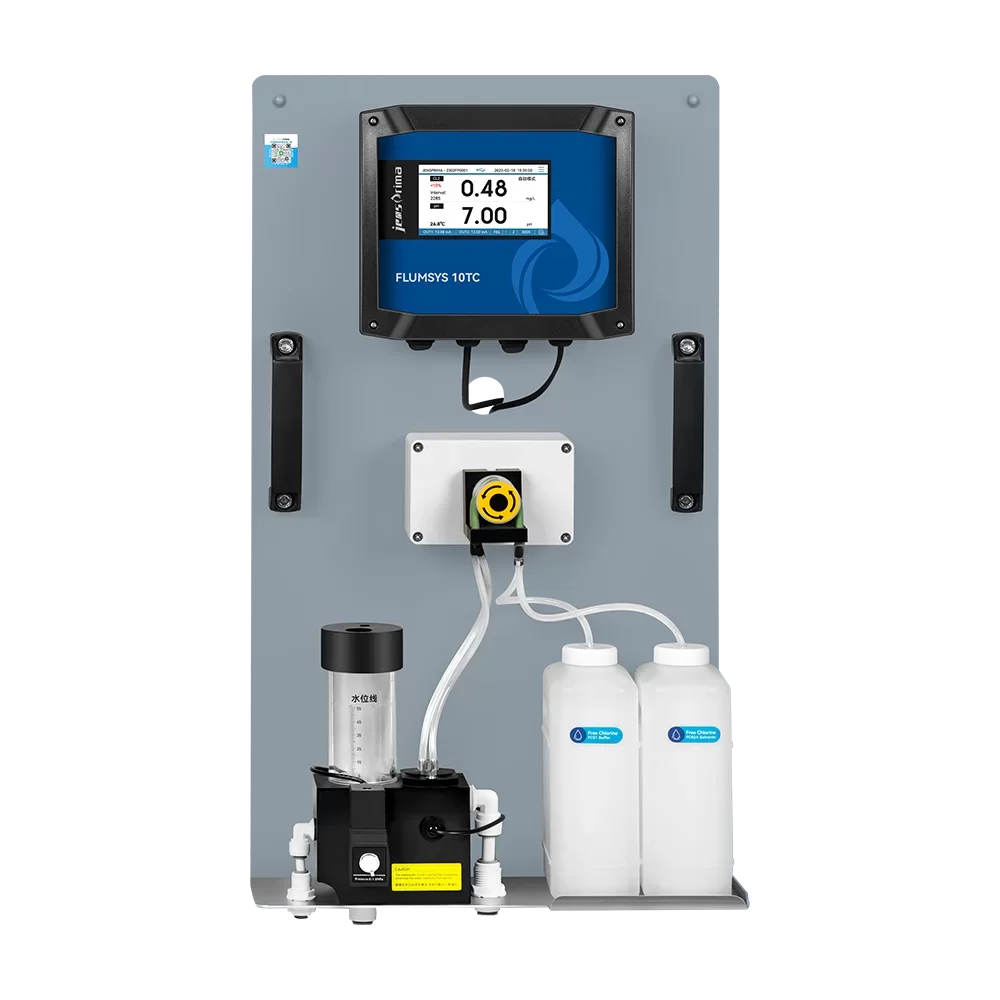
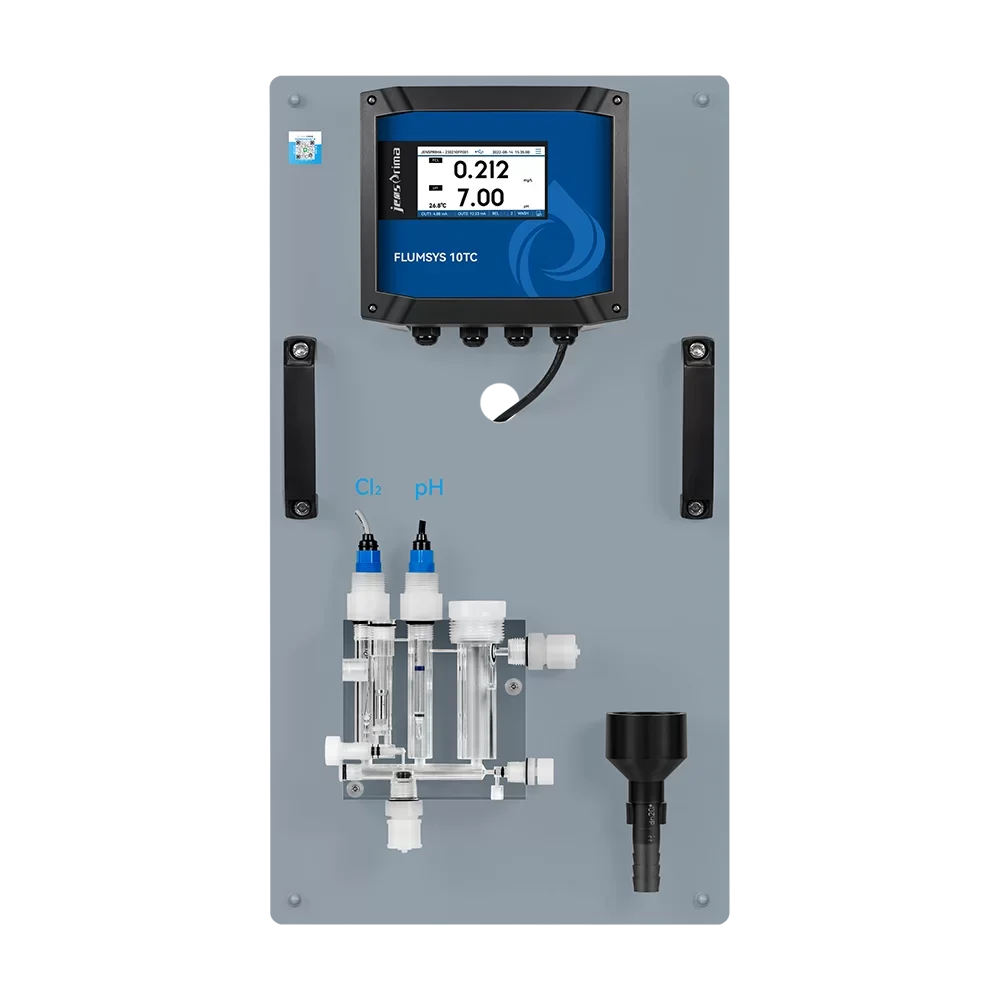
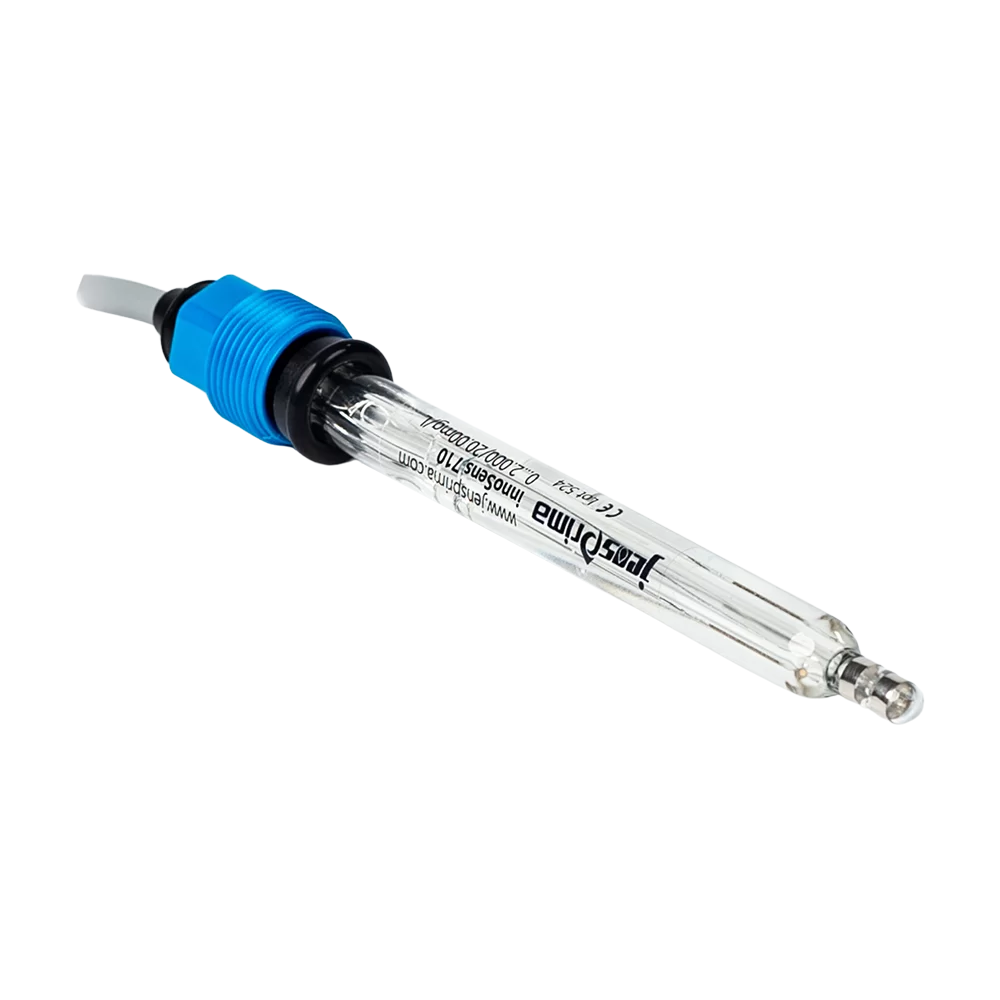
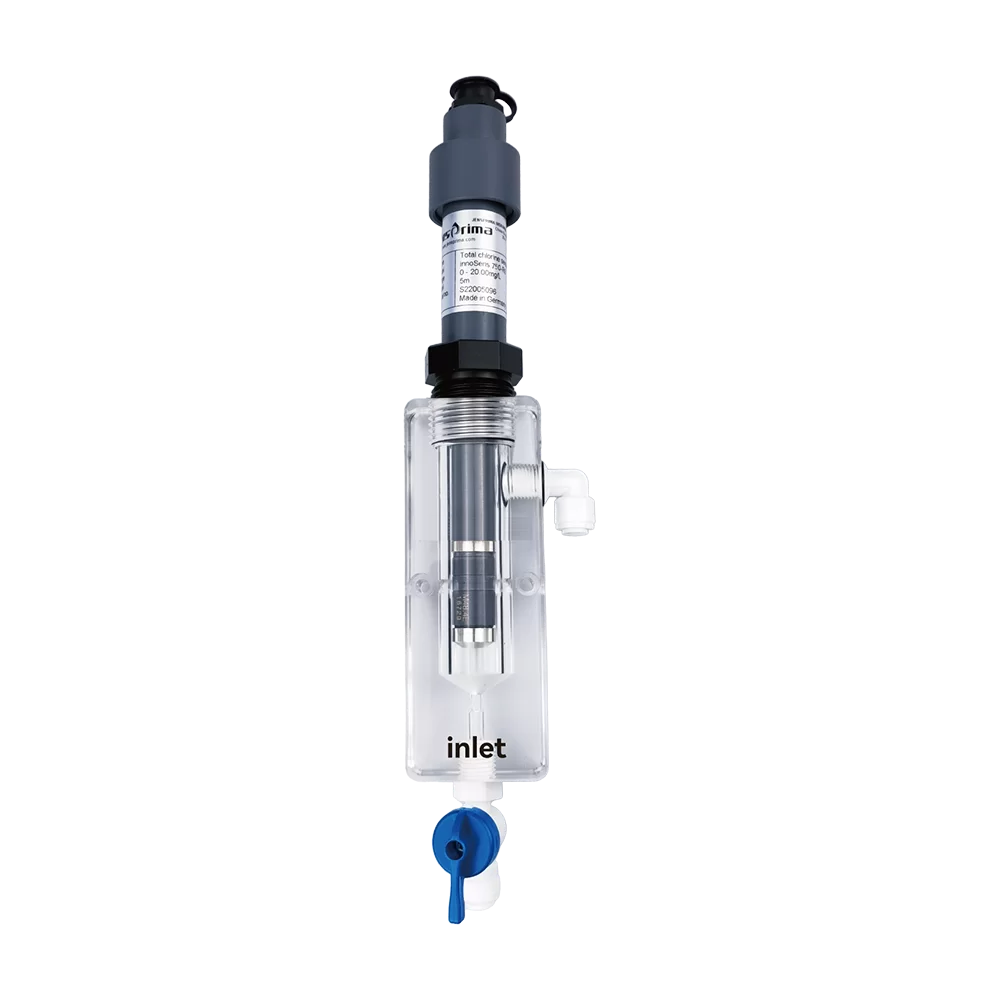
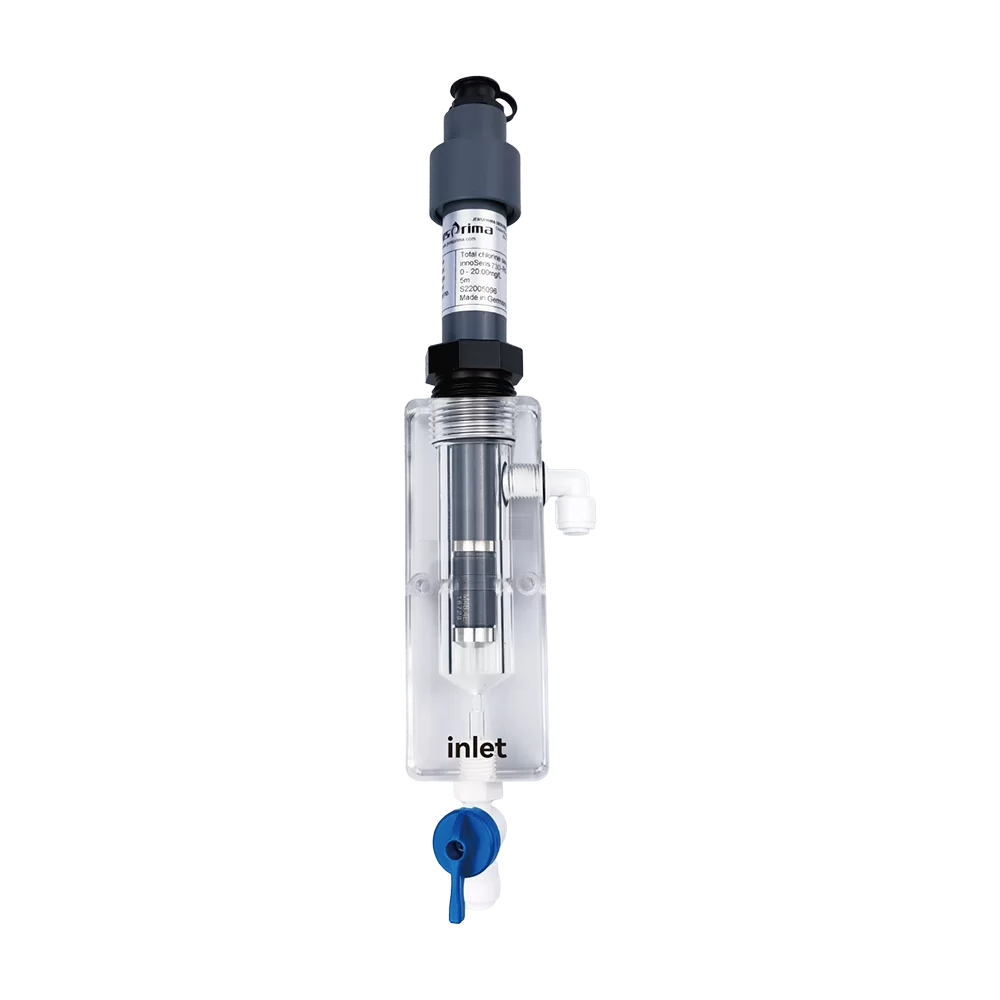
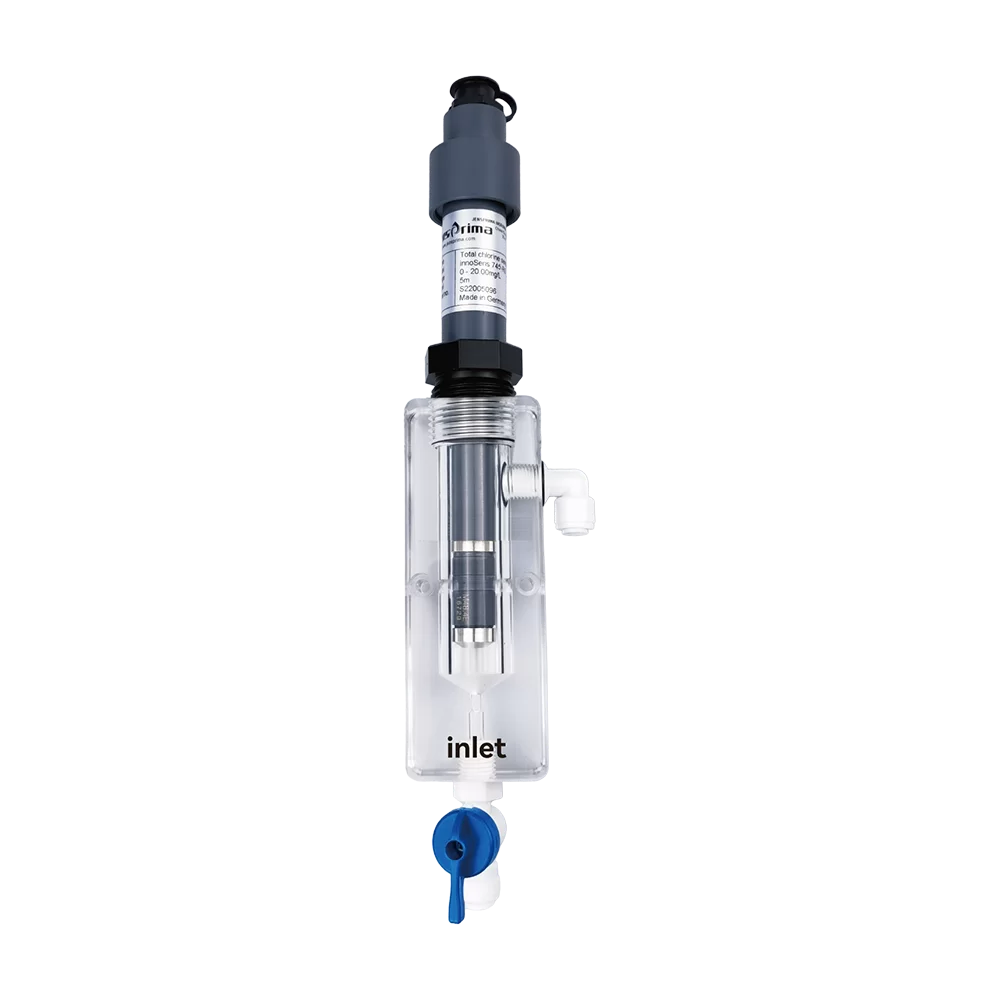
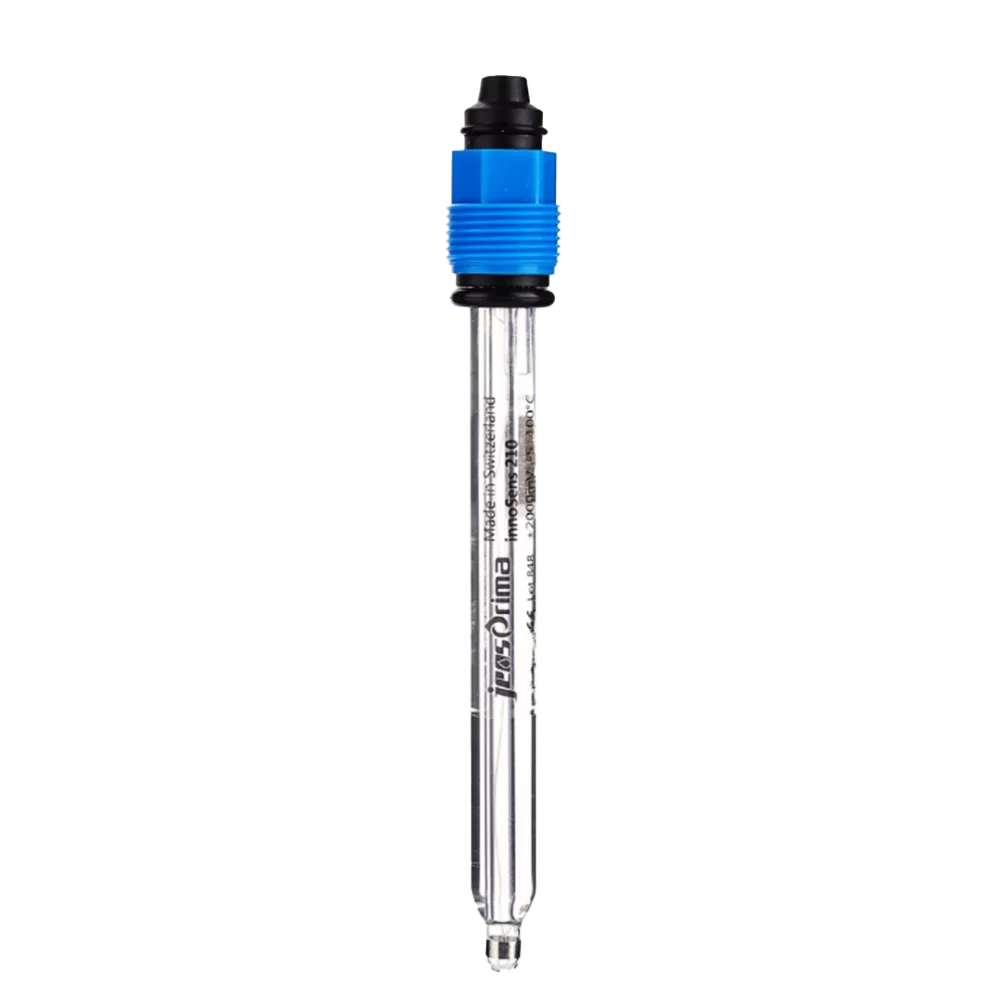
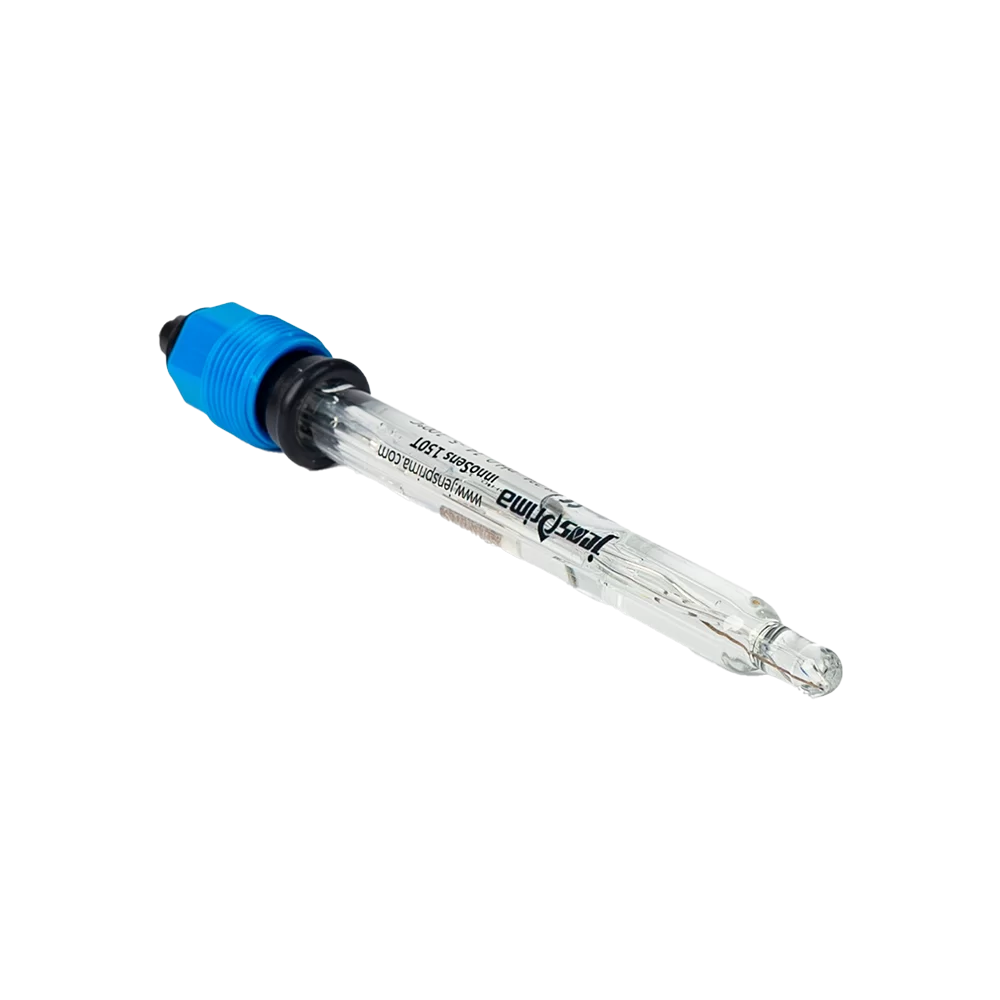
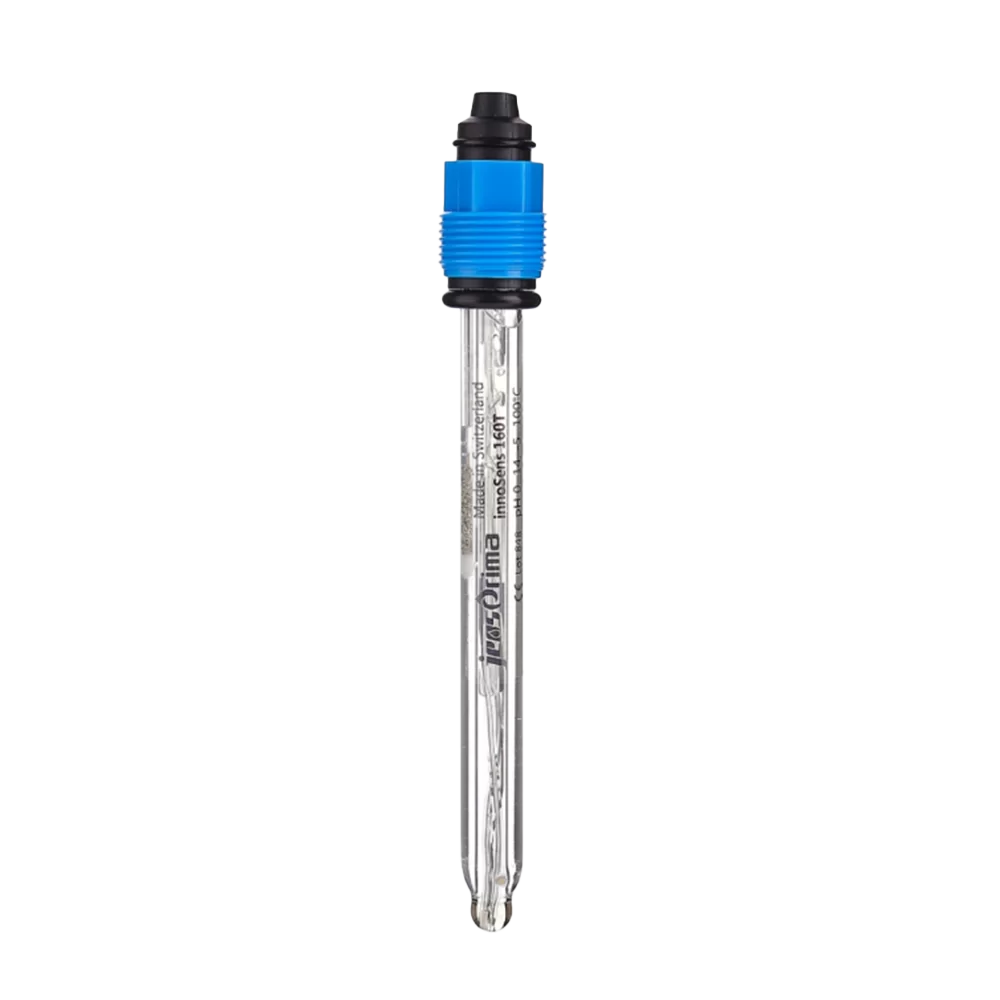
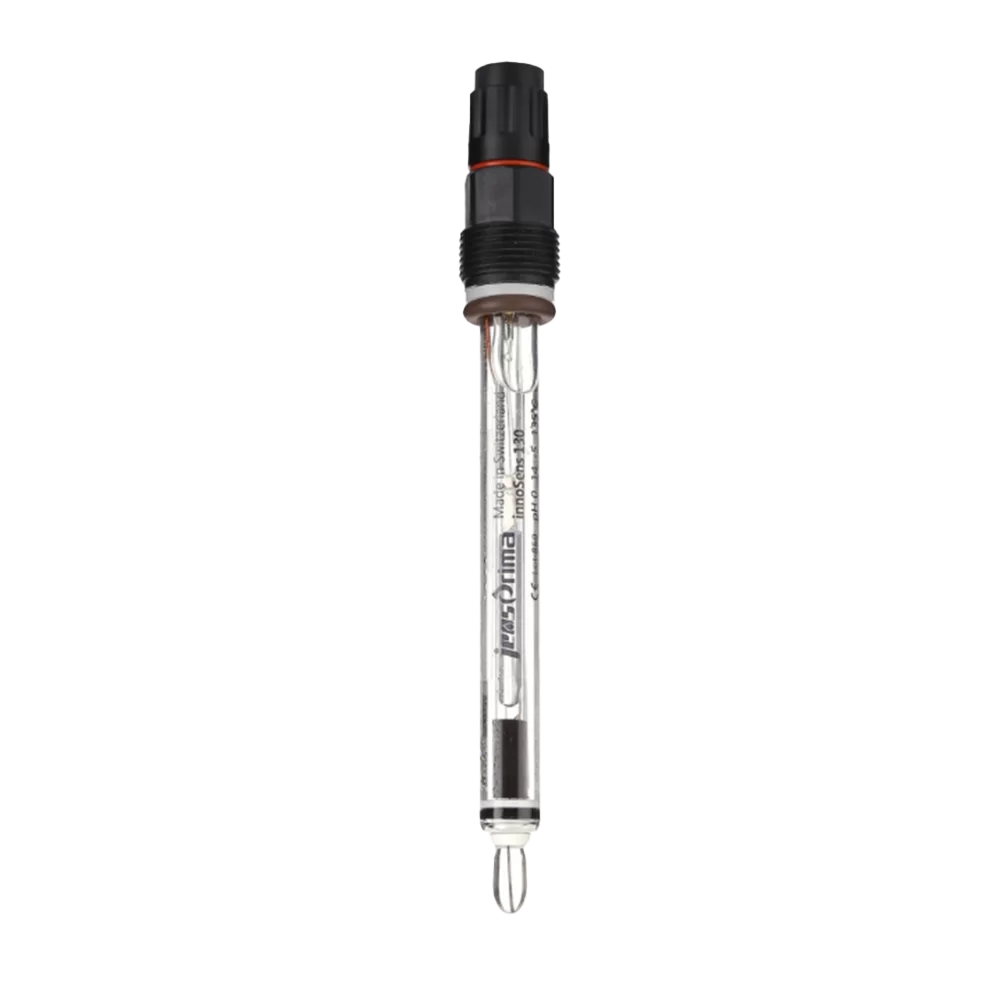
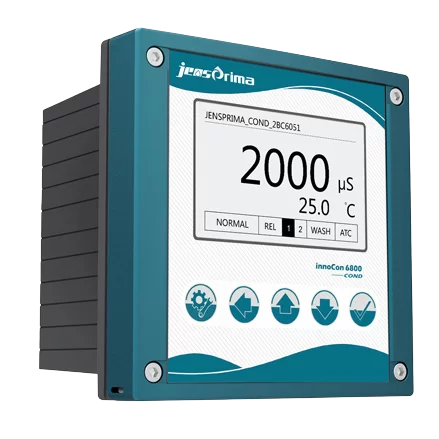
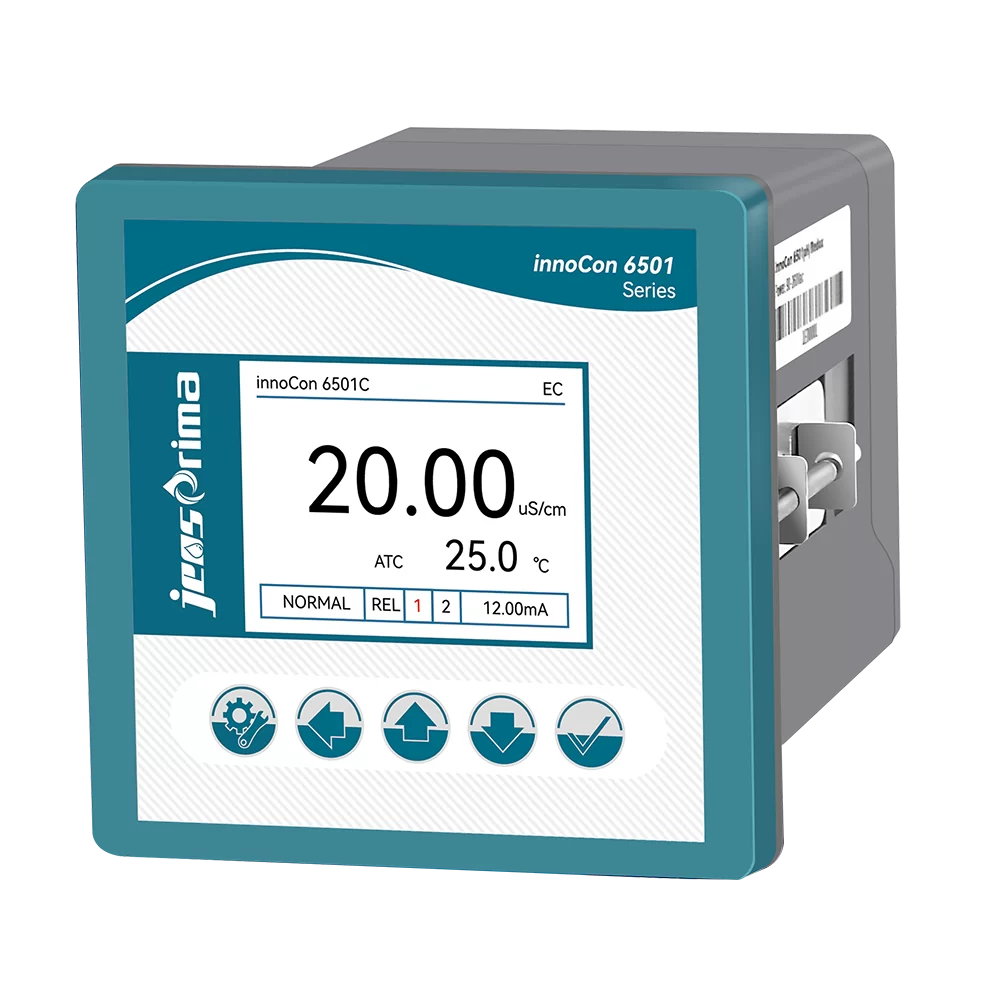
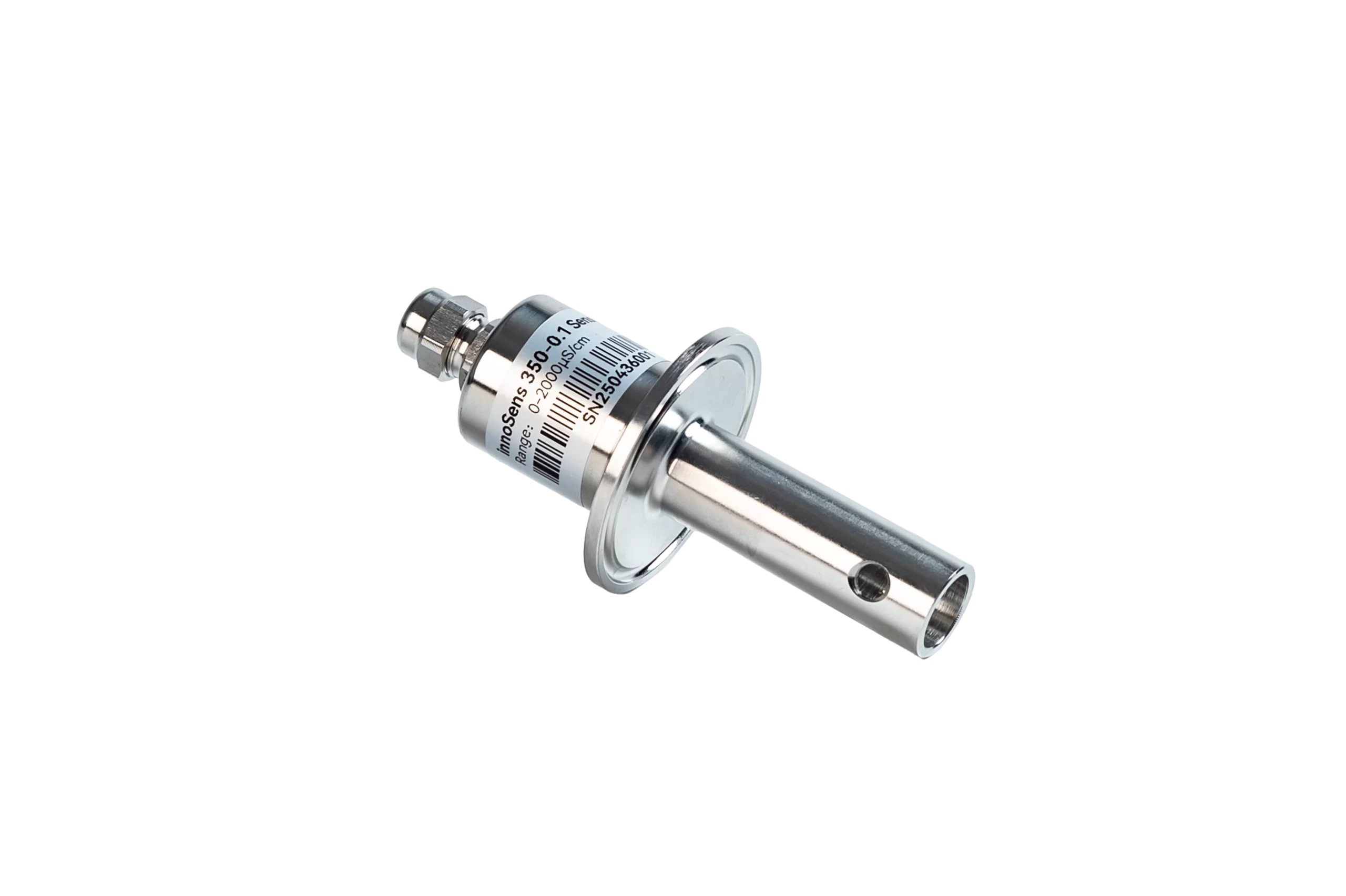
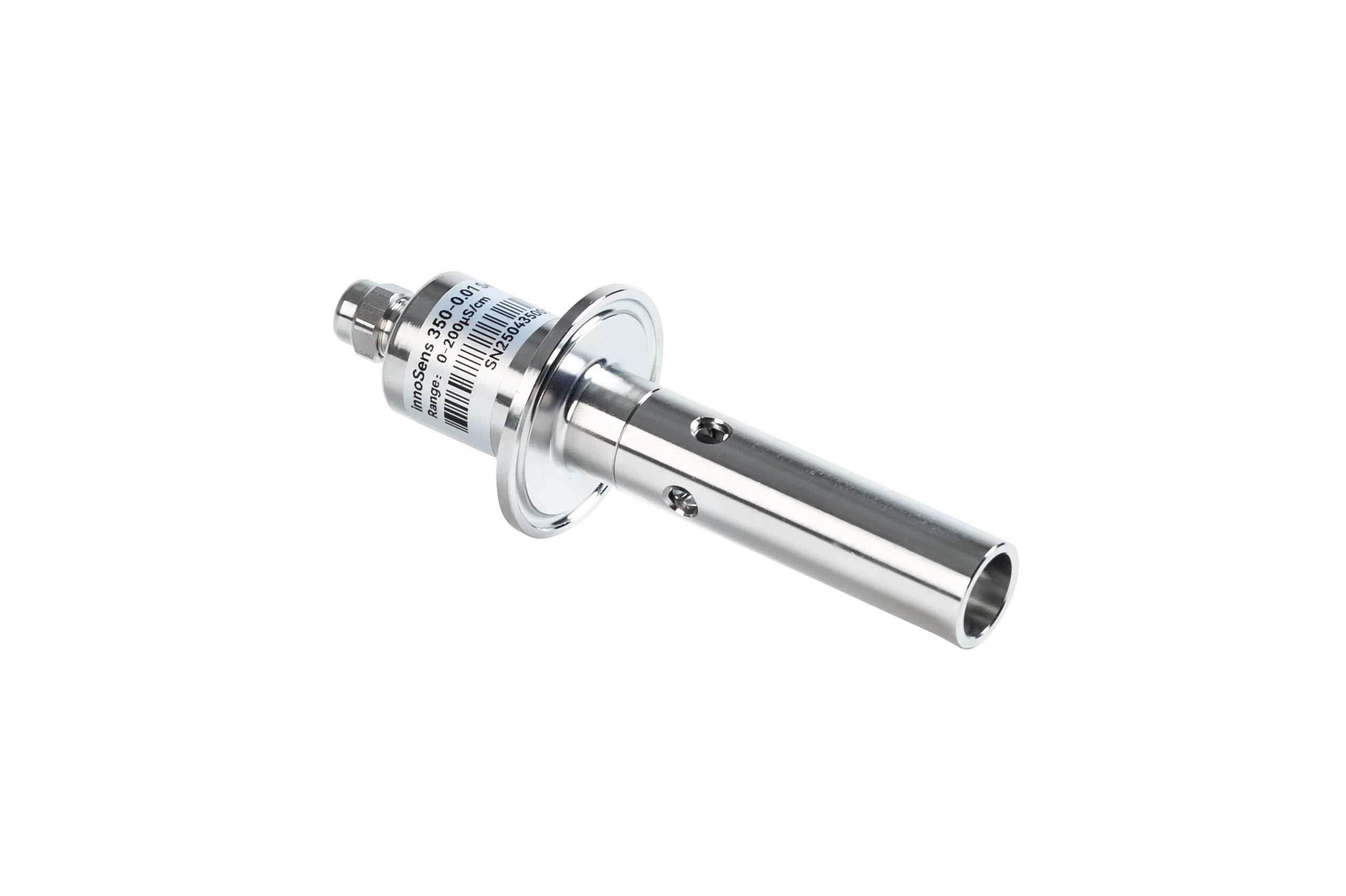
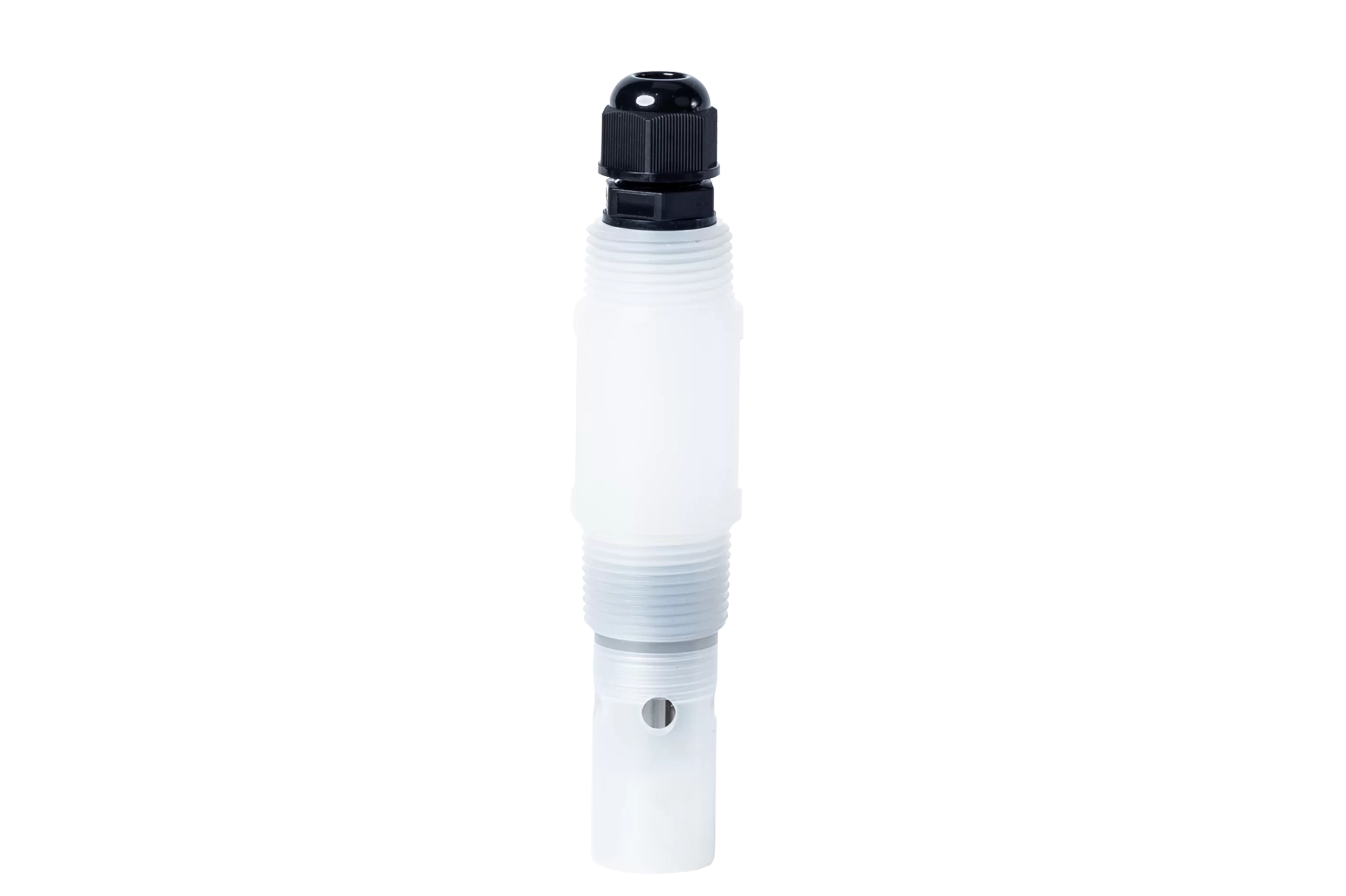
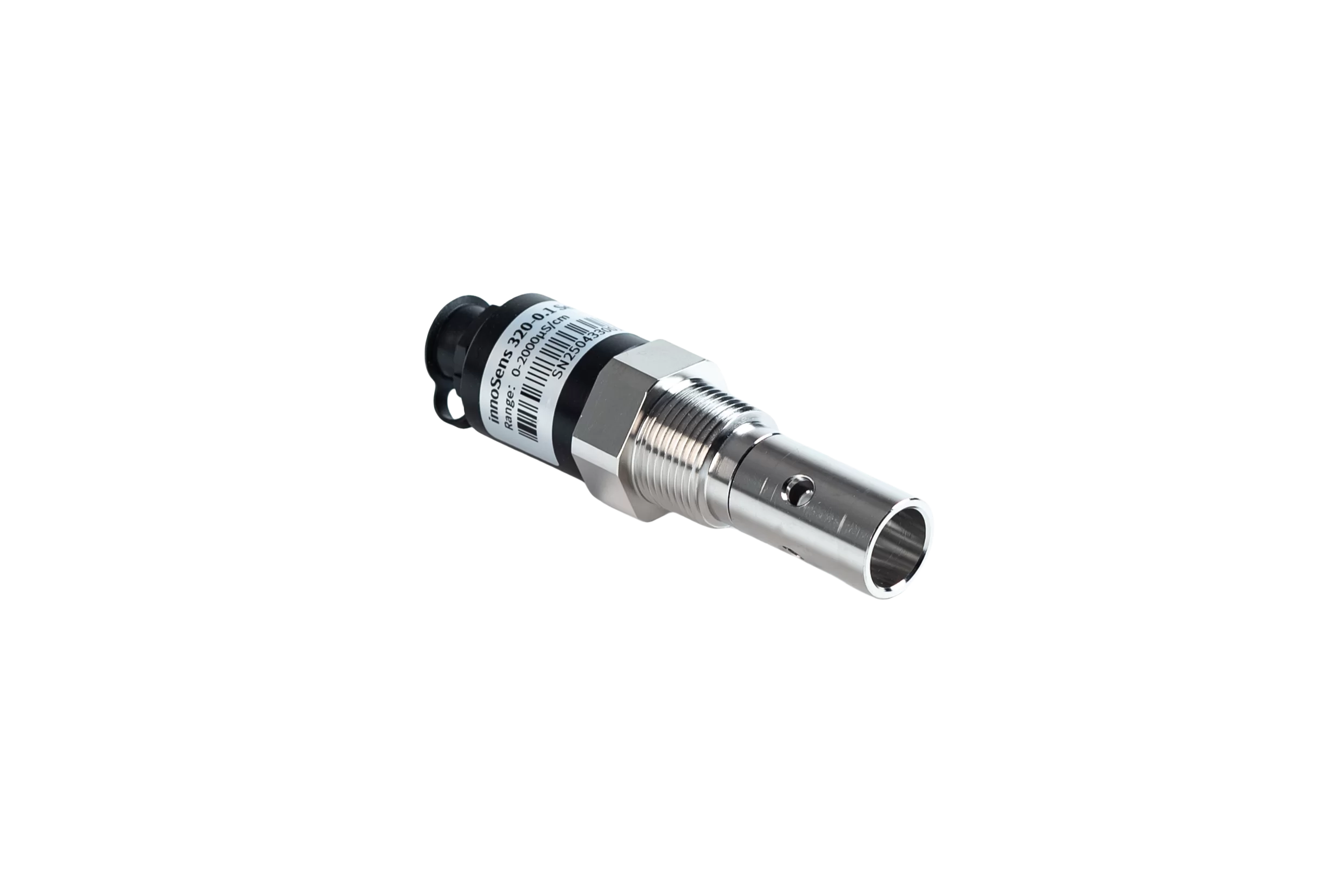
The water quality analyzer price isn't a fixed value but rather a spectrum, dependent on the analyzer’s sophistication, features, and intended application. It encapsulates the cost of the instrument itself, as well as associated components like sensors, probes, and data logging capabilities. The price can range from a few hundred dollars for basic handheld meters to tens of thousands for advanced laboratory-grade systems.
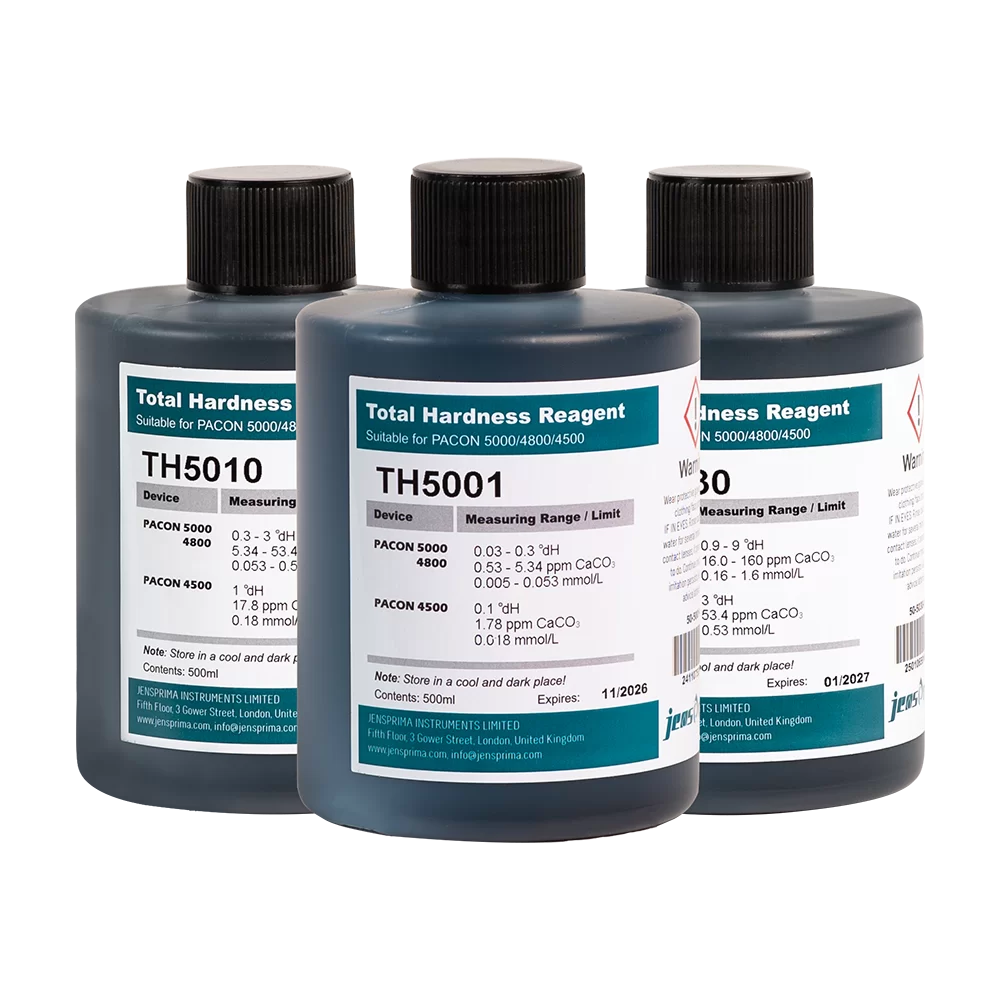
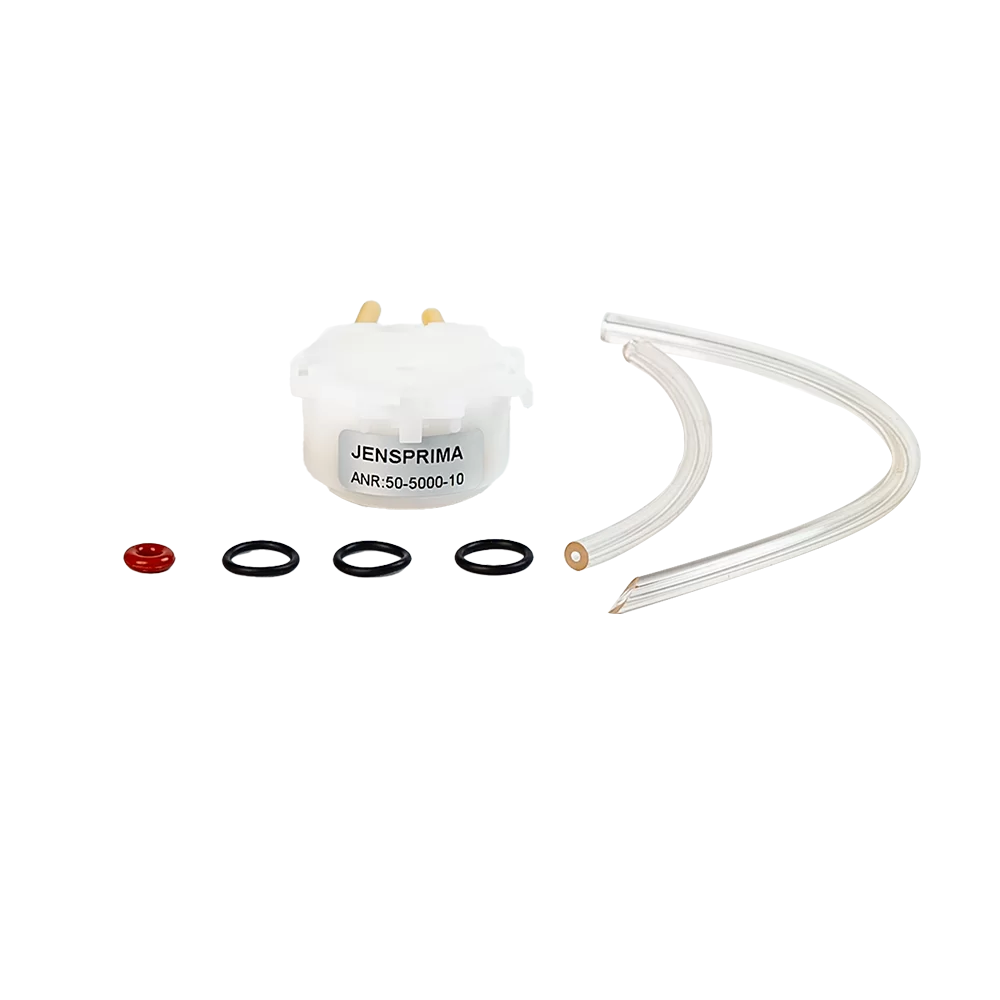
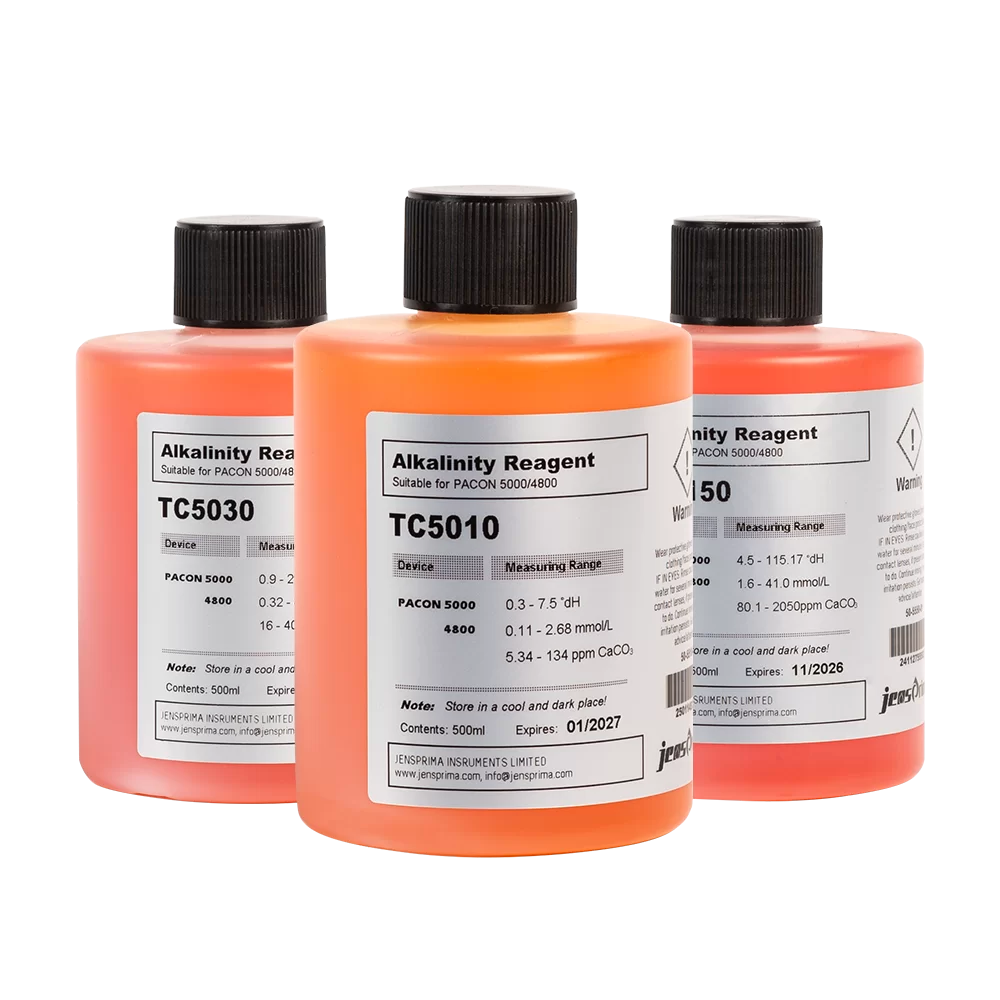
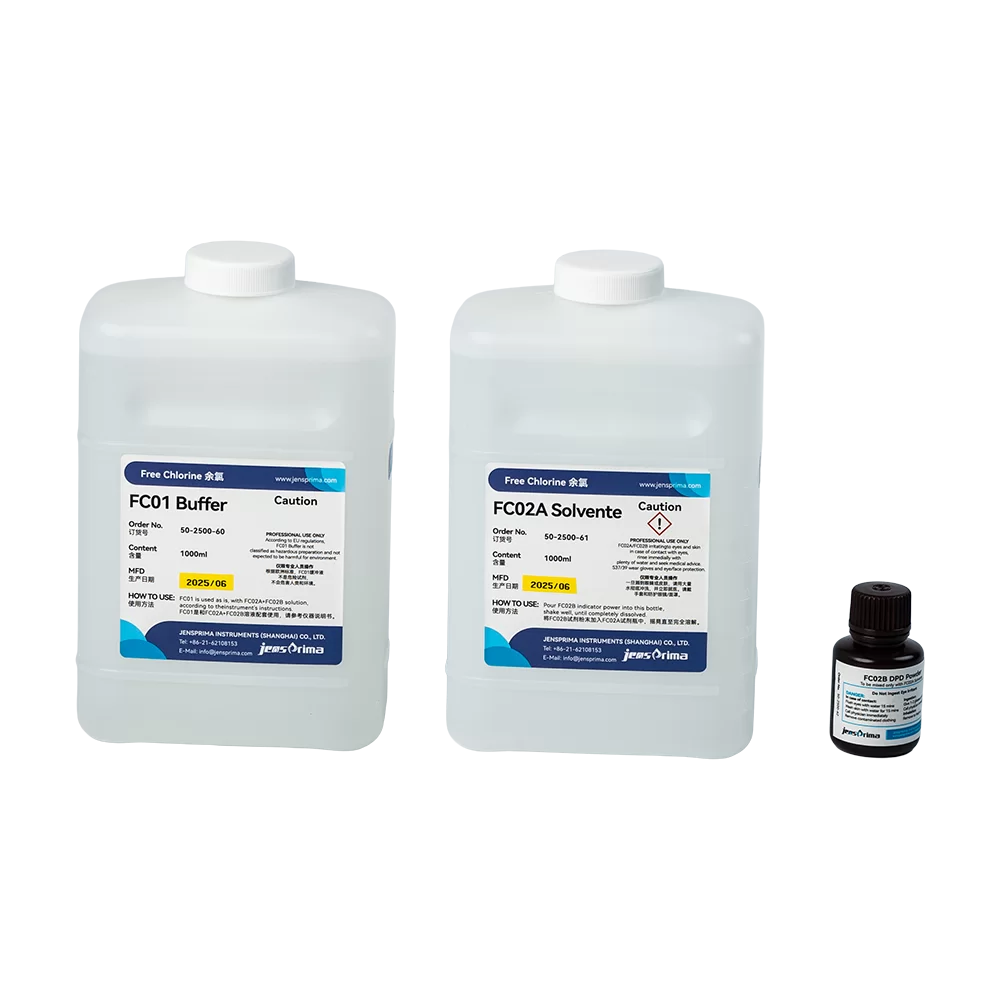
The definition also extends beyond the initial purchase. Calibration standards, maintenance contracts, and the cost of trained personnel to operate and interpret the results all contribute to the overall financial investment. Understanding these elements allows for a realistic assessment of the long-term cost of ownership.
Furthermore, the type of parameters being measured greatly influences the price. Analyzers designed to detect a wide range of contaminants (e.g., heavy metals, pesticides, bacteria) typically command a higher price compared to those focusing on a limited set of parameters like pH, temperature, and dissolved oxygen.
Core Components Influencing Water Quality Analyzer Price
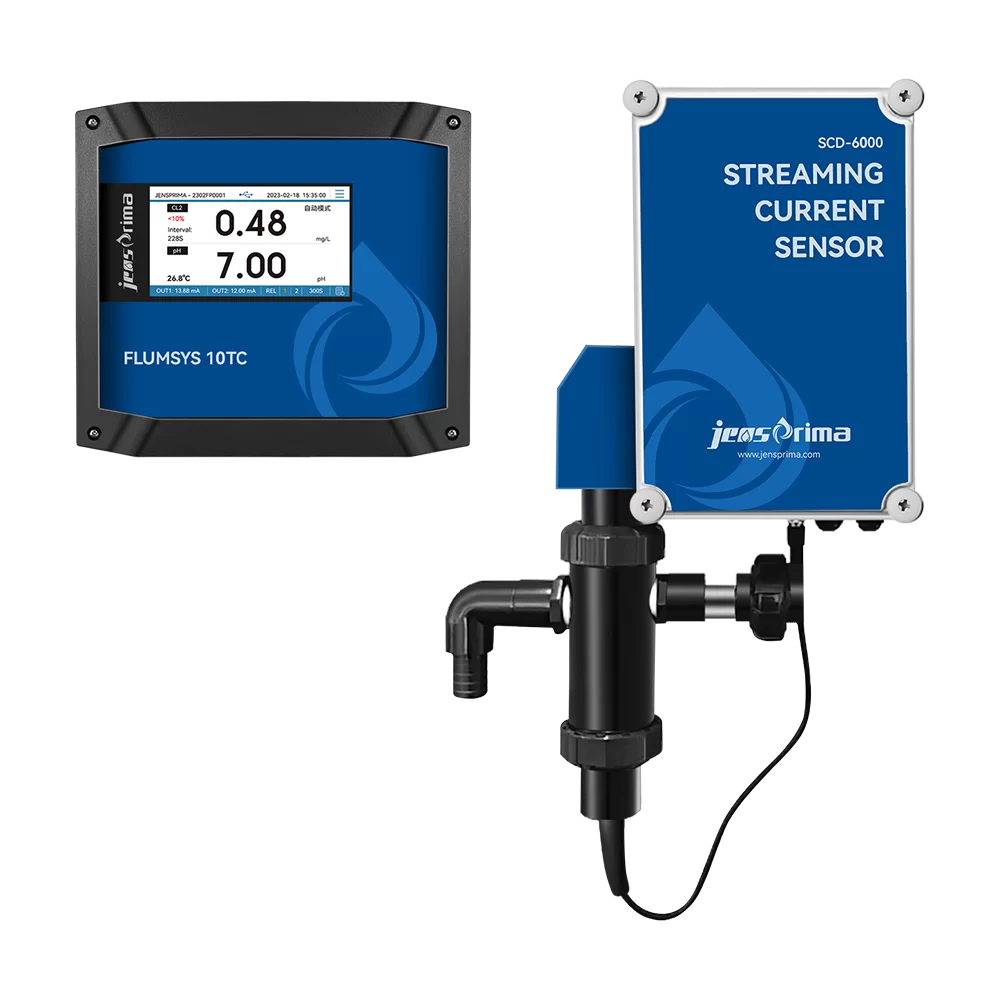
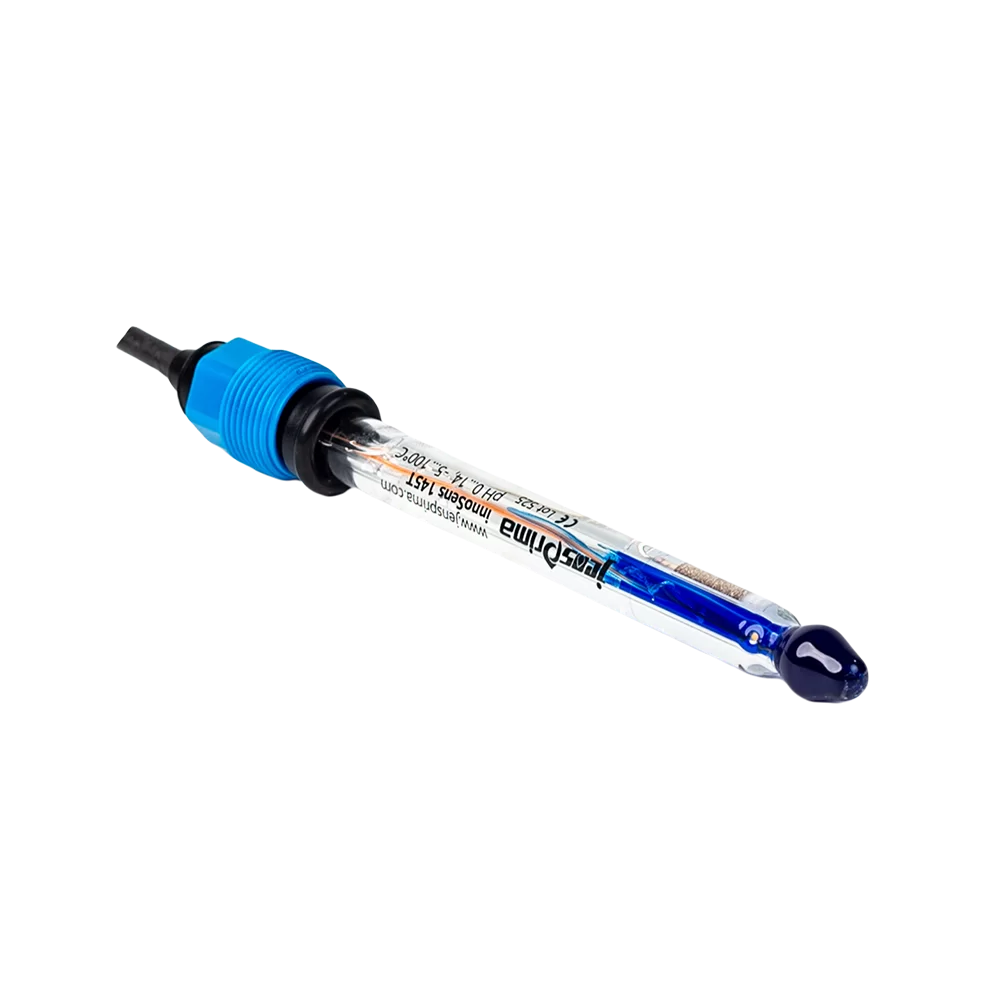
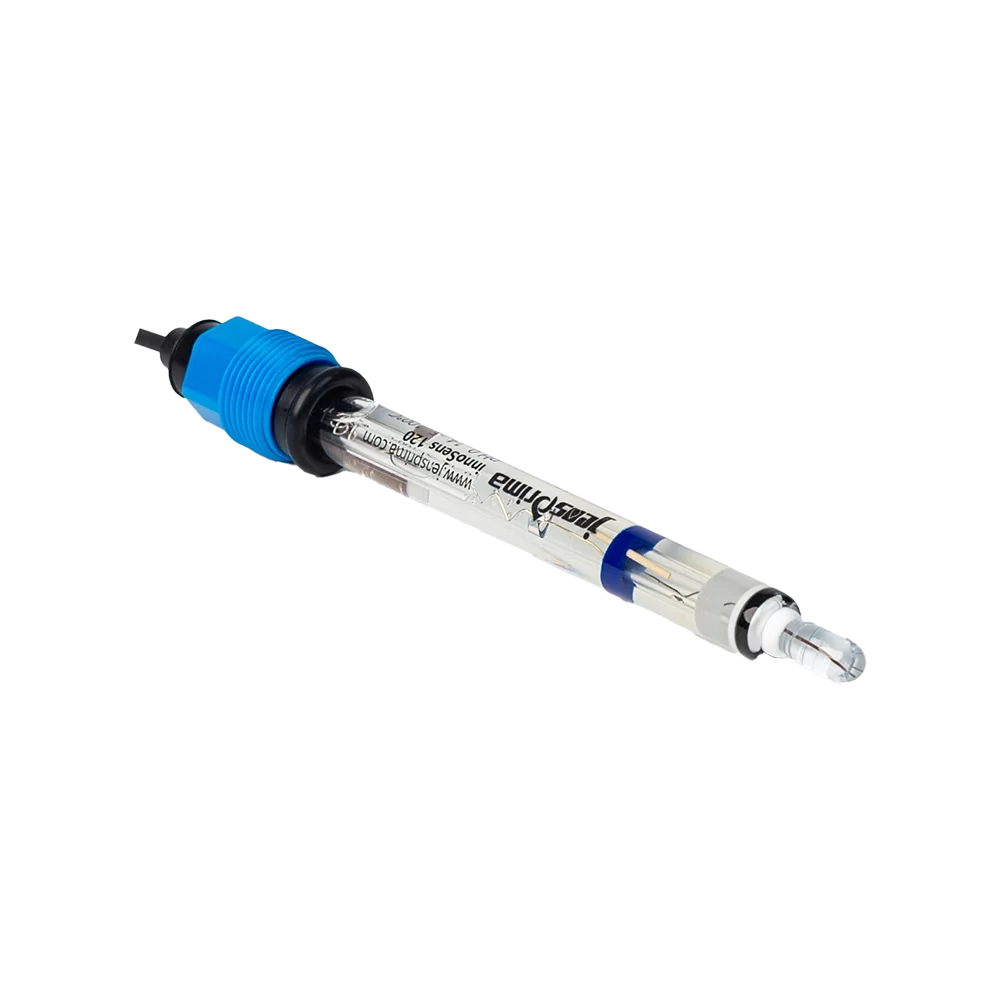
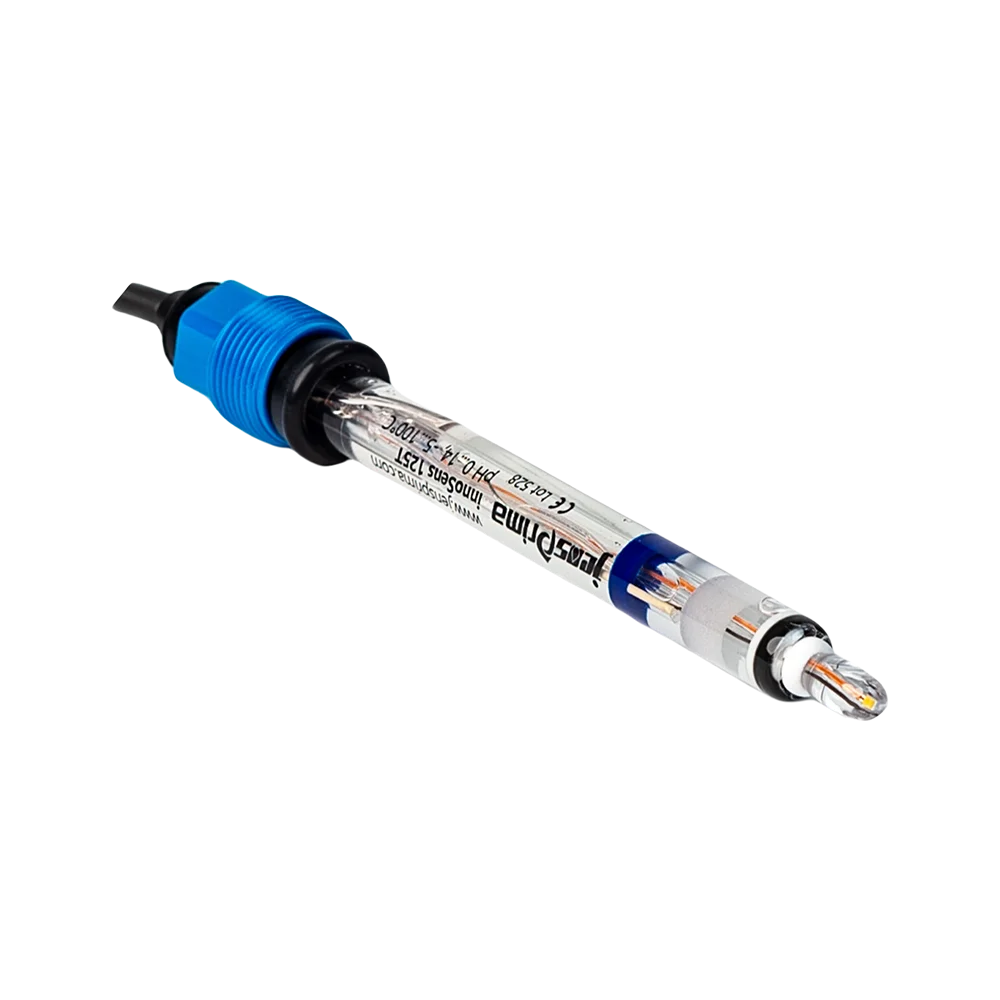
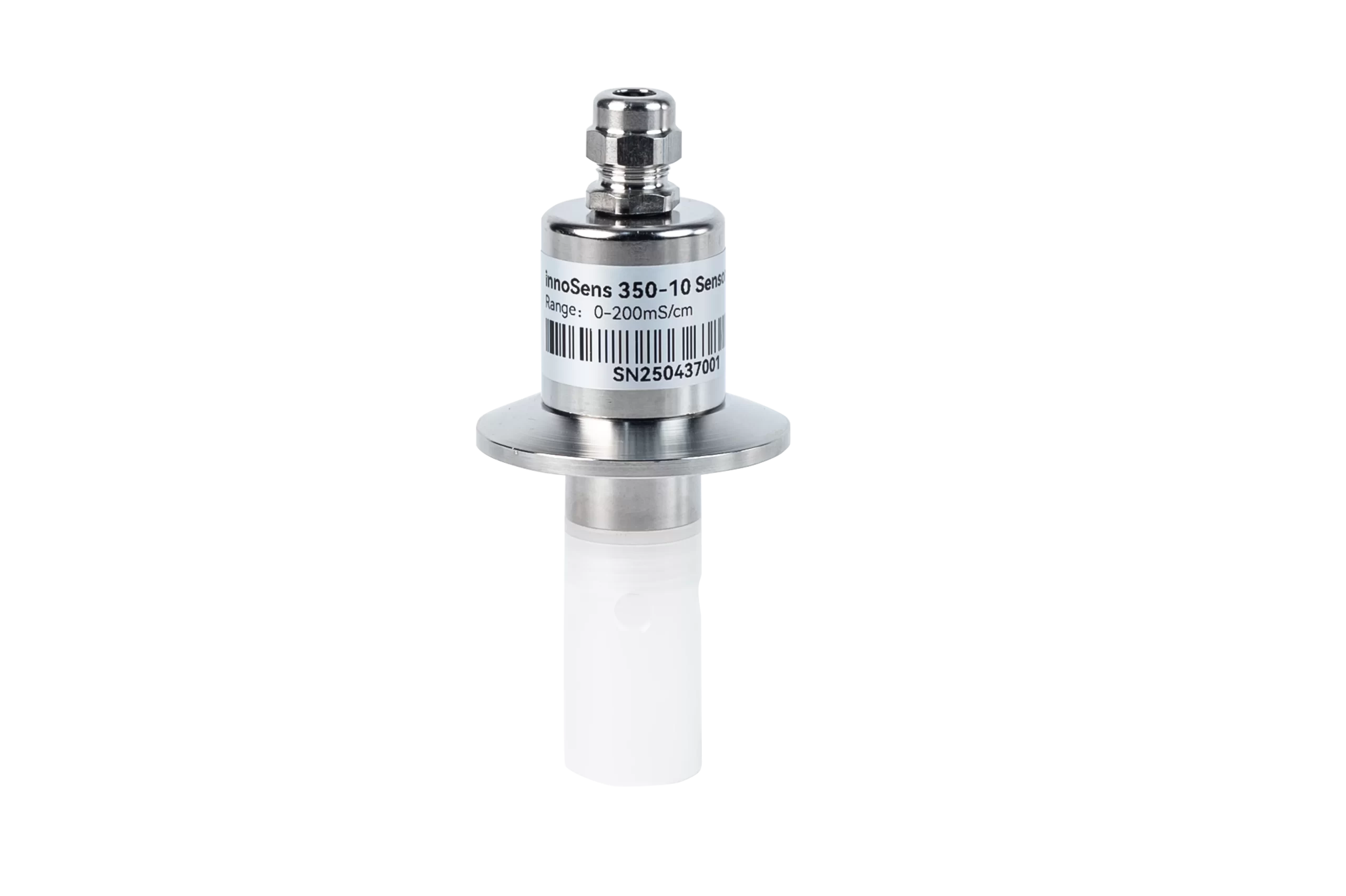
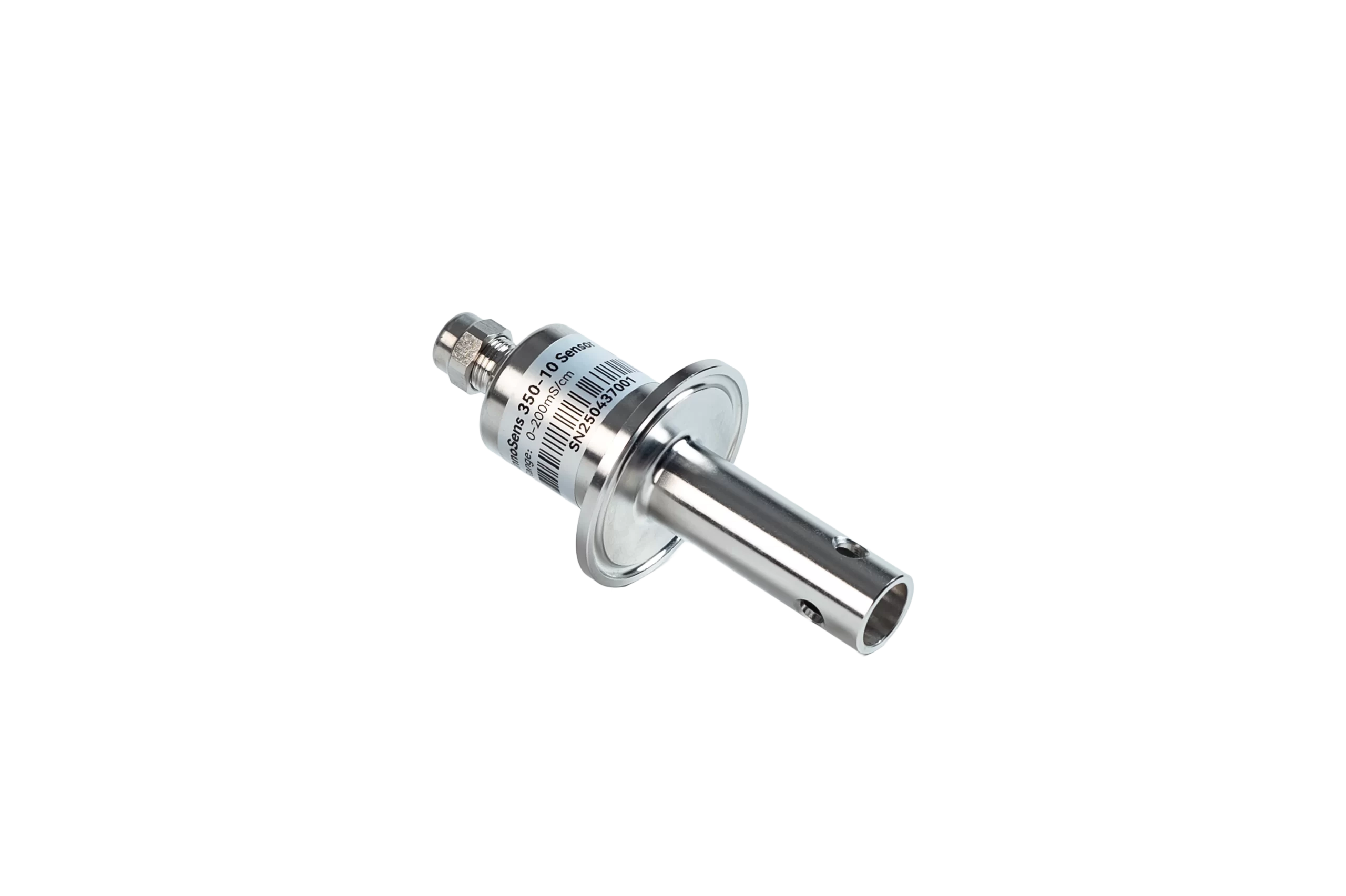
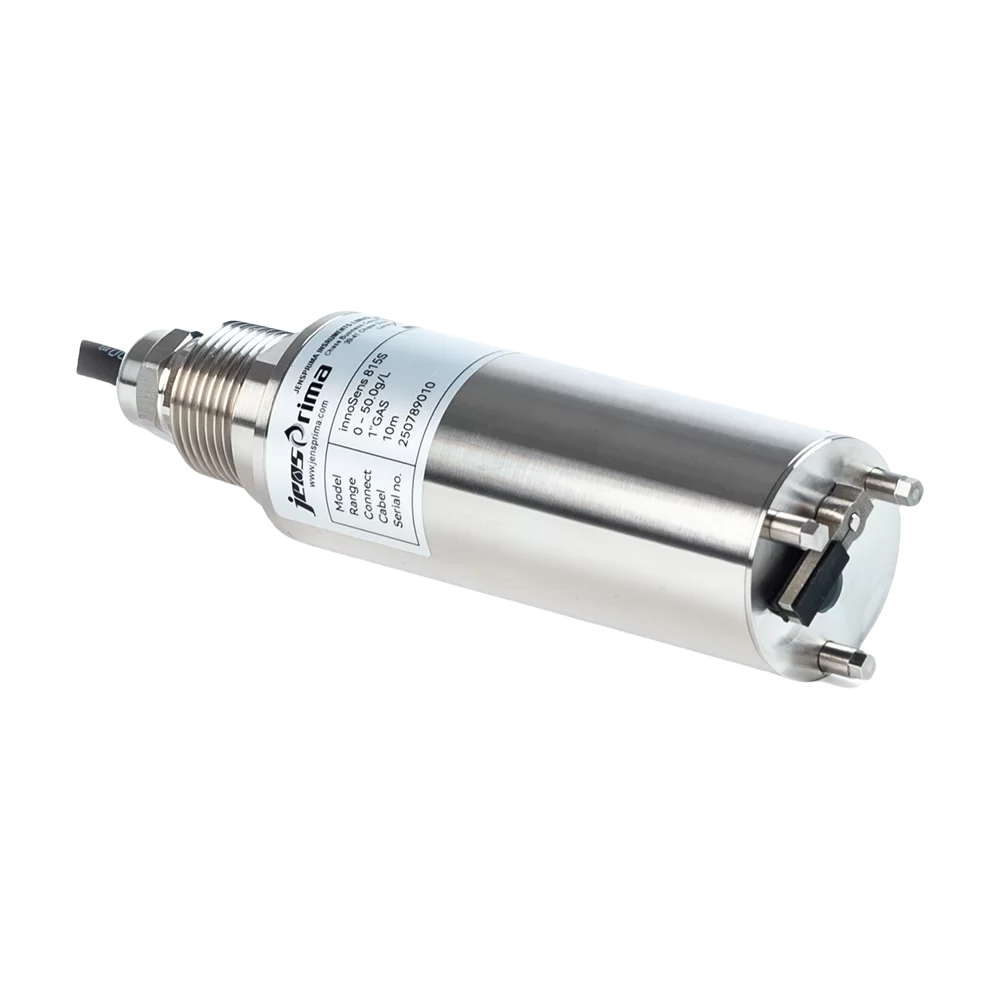
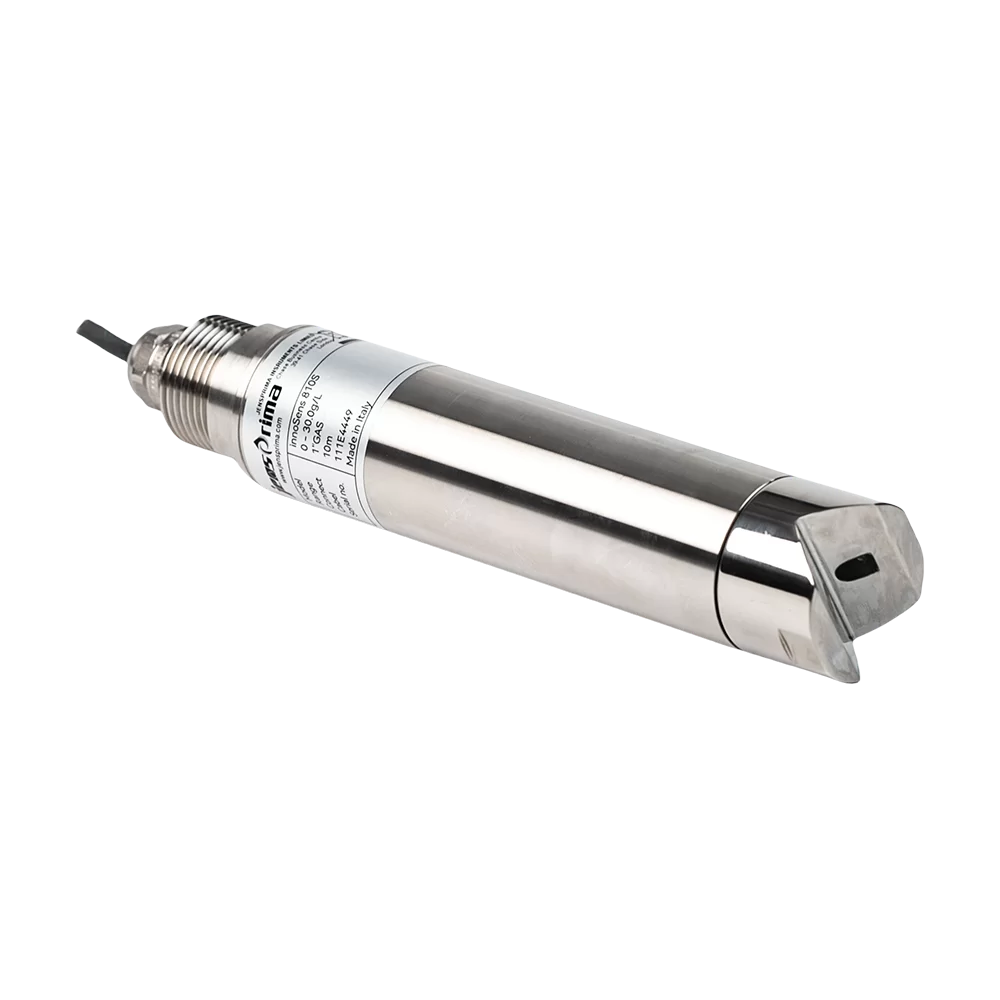
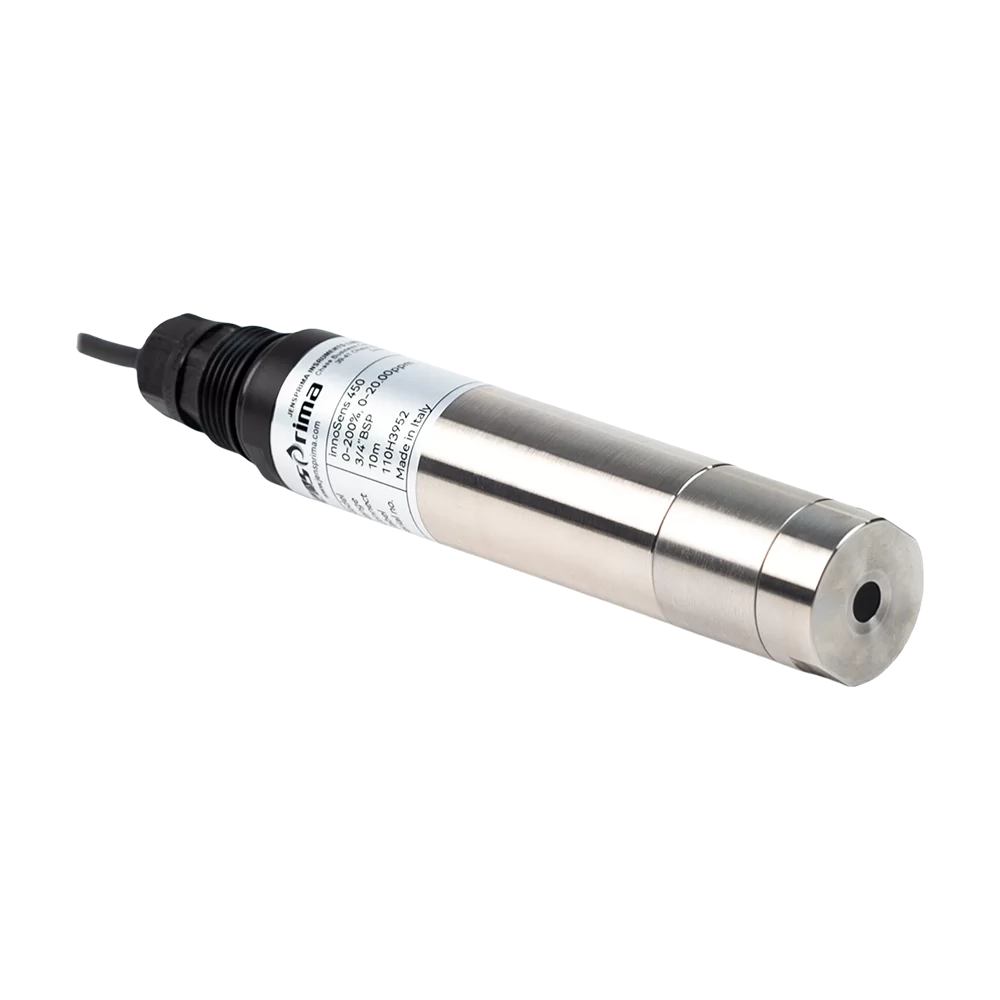
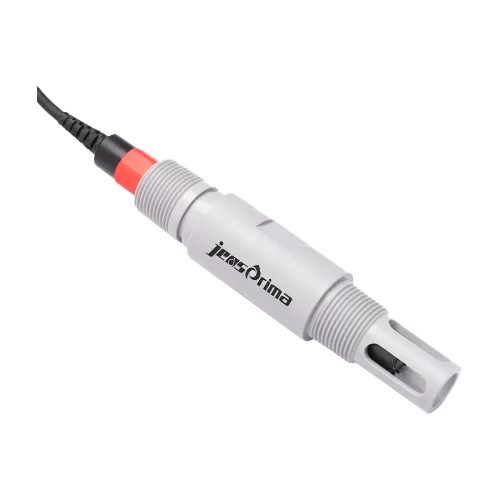
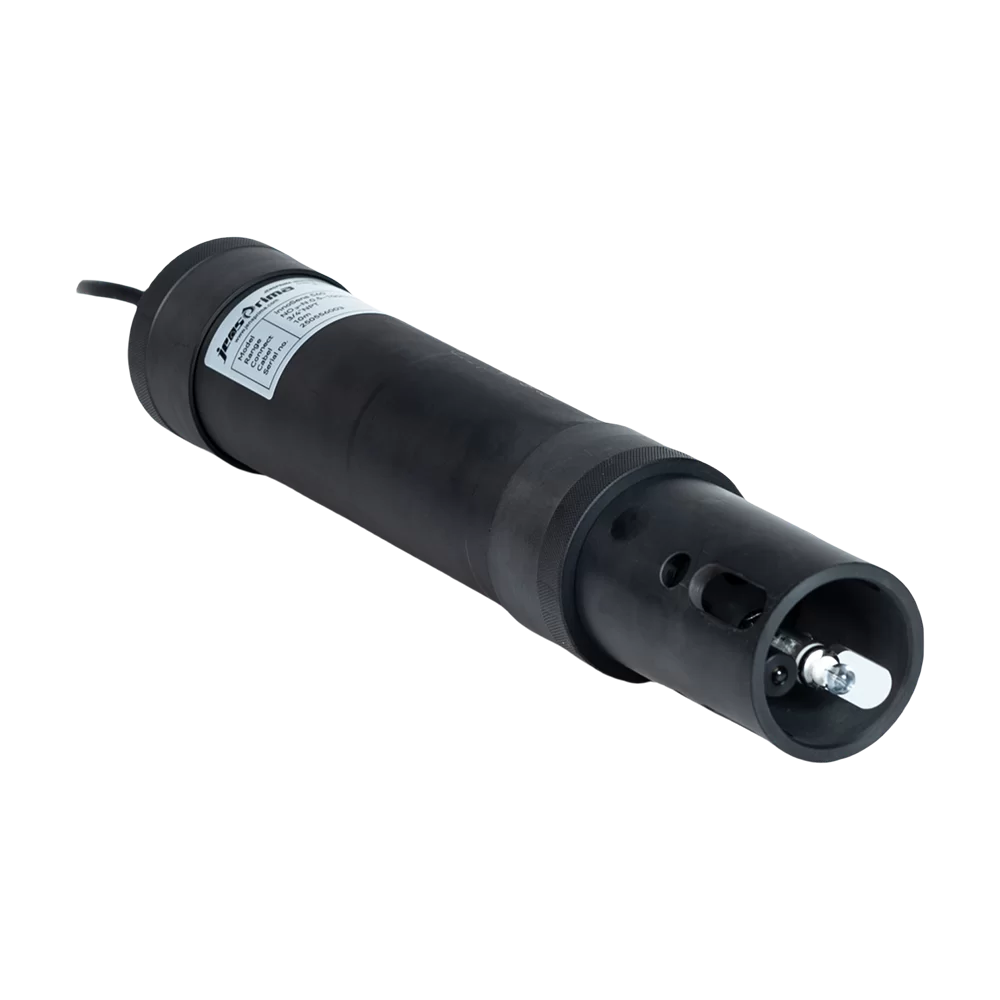
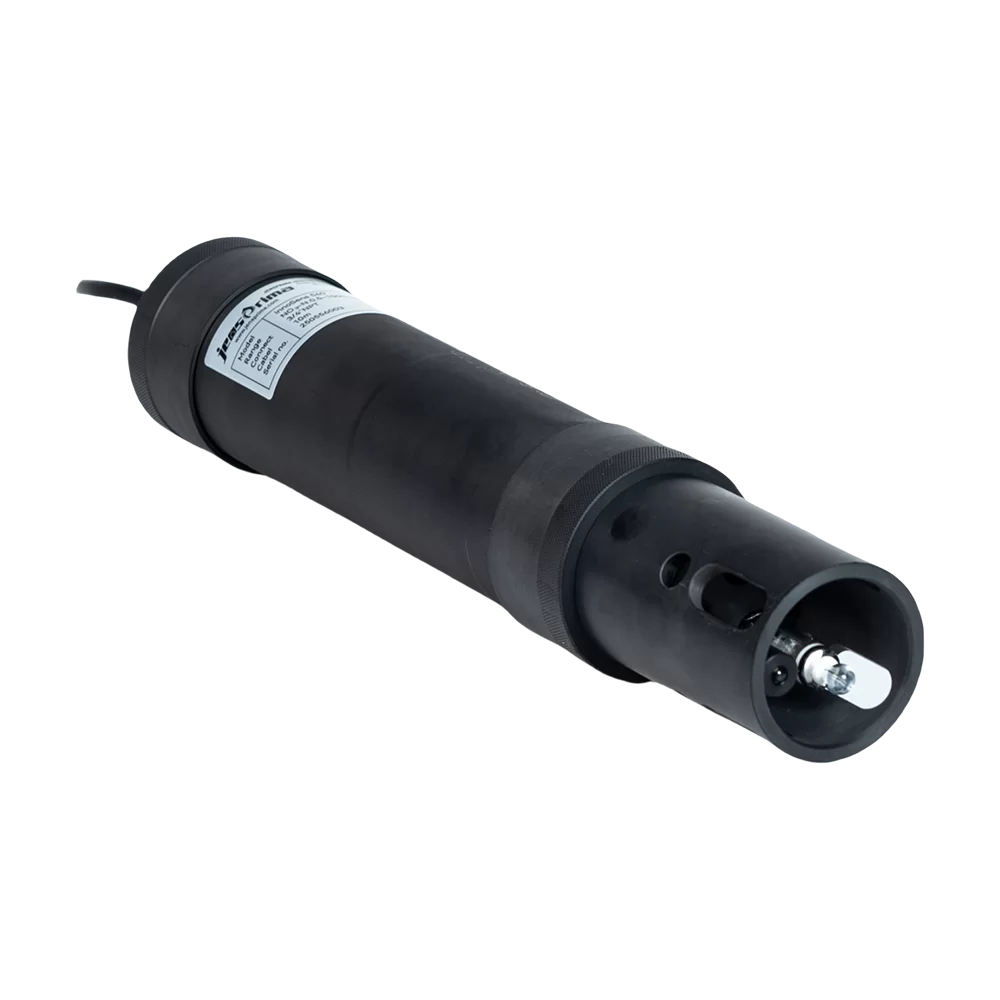
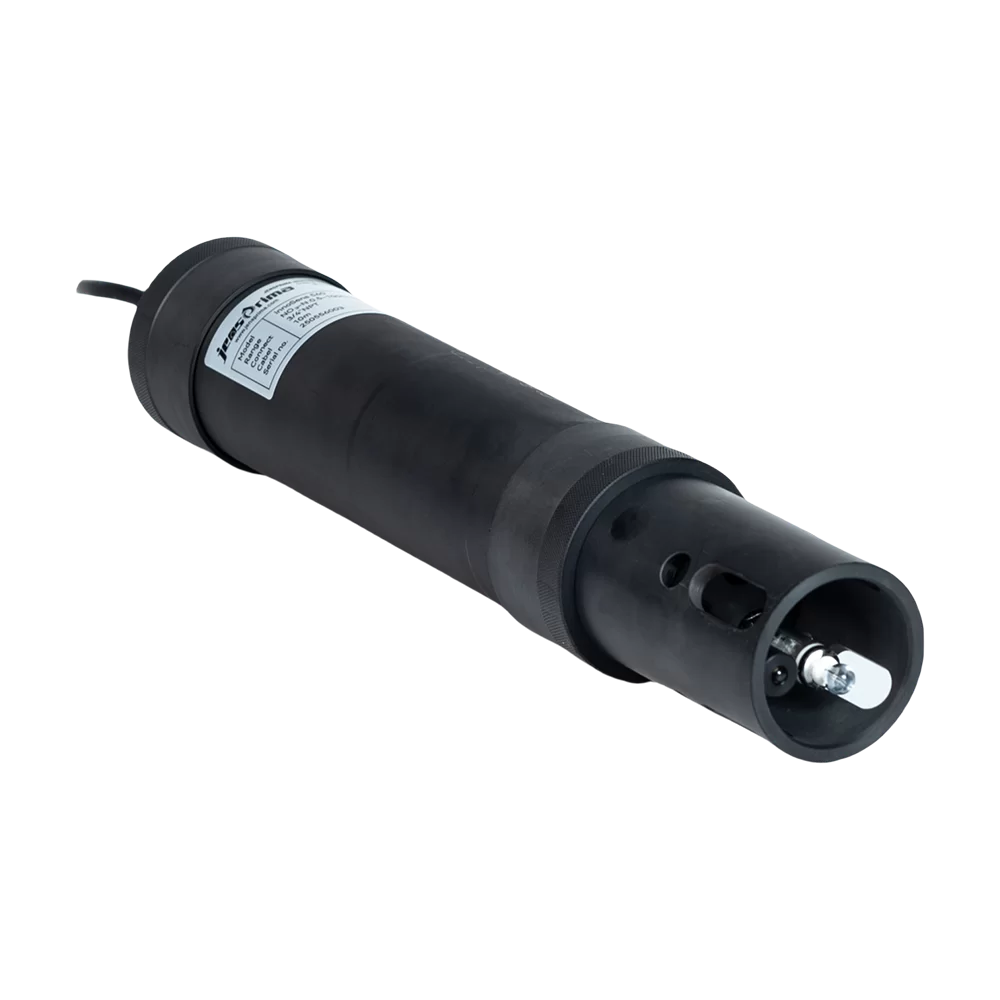
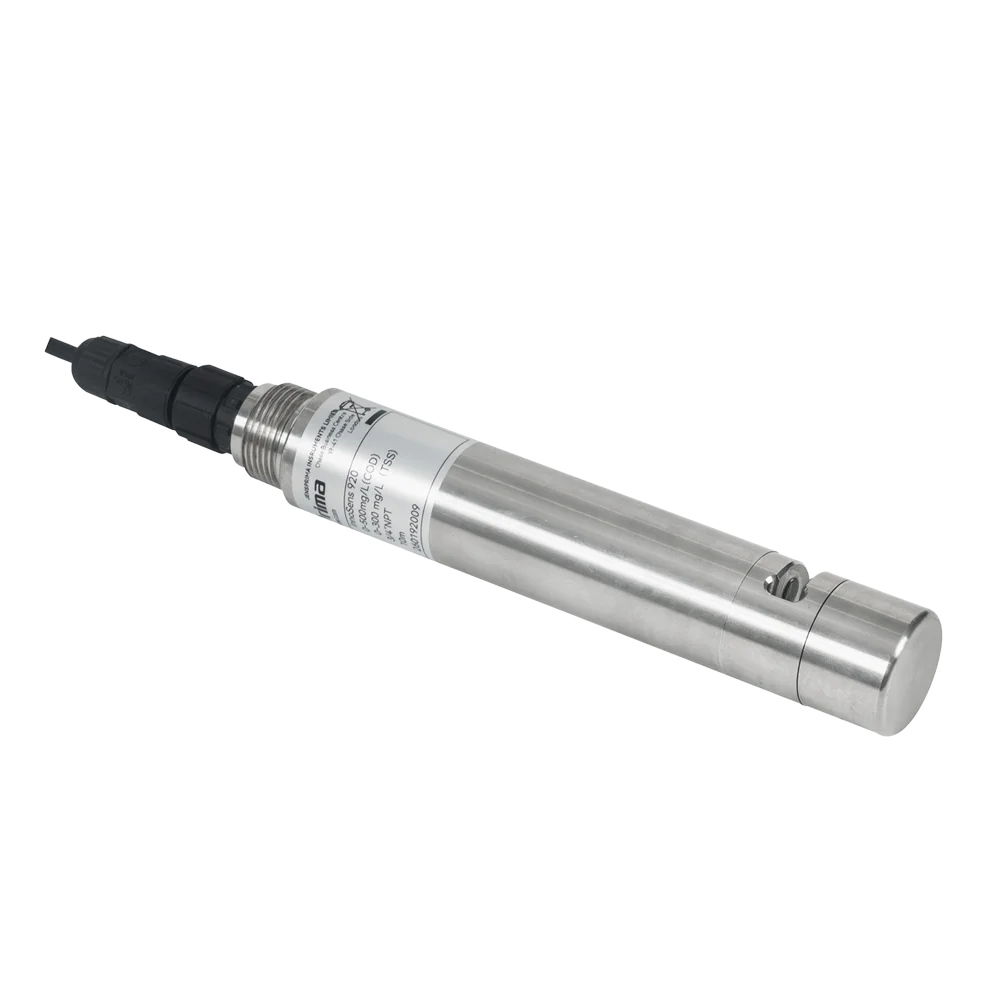
Several key components significantly impact the water quality analyzer price. Sensor technology is paramount; advanced sensors offering higher accuracy and stability are naturally more expensive. The complexity of the analyzer – whether it’s a simple portable device or a sophisticated multi-parameter system – also plays a critical role.
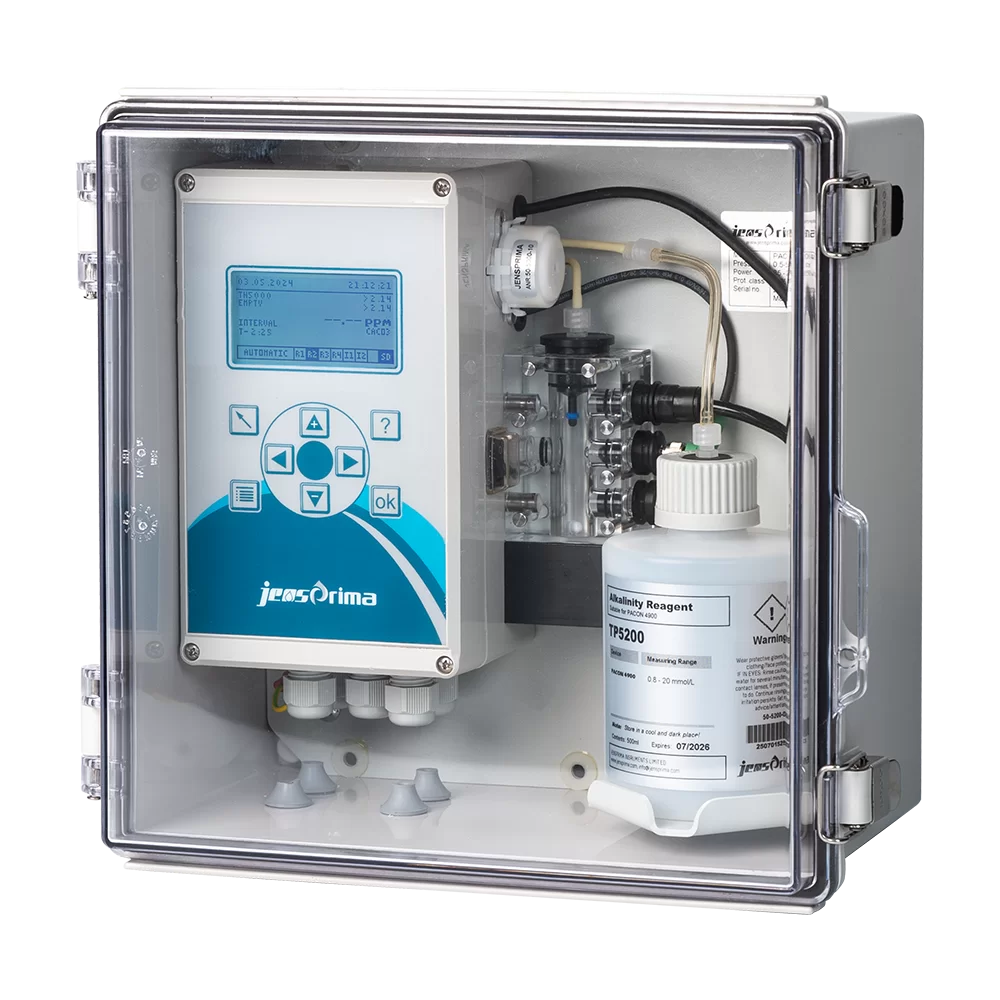
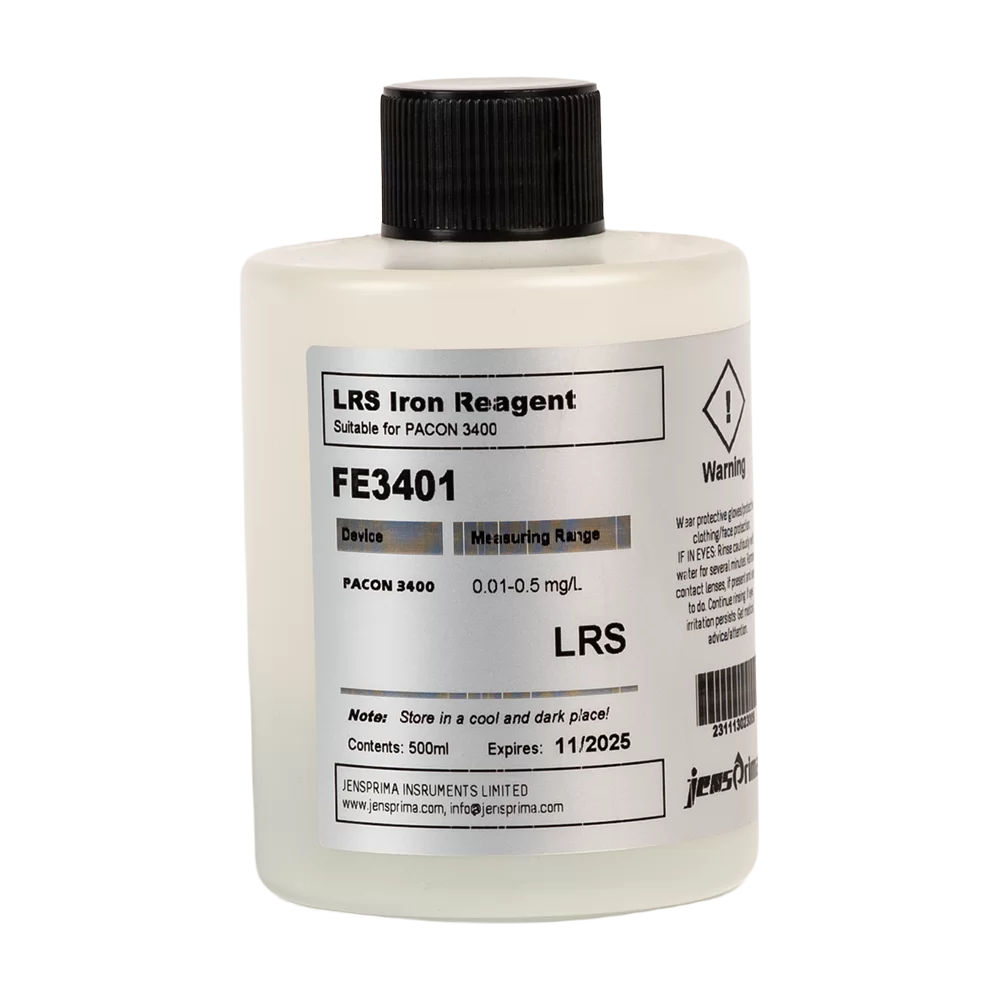
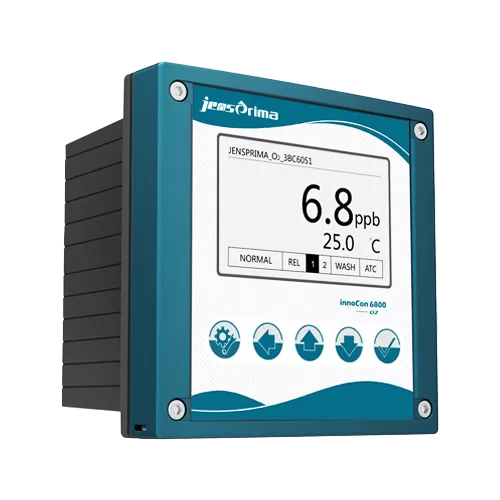
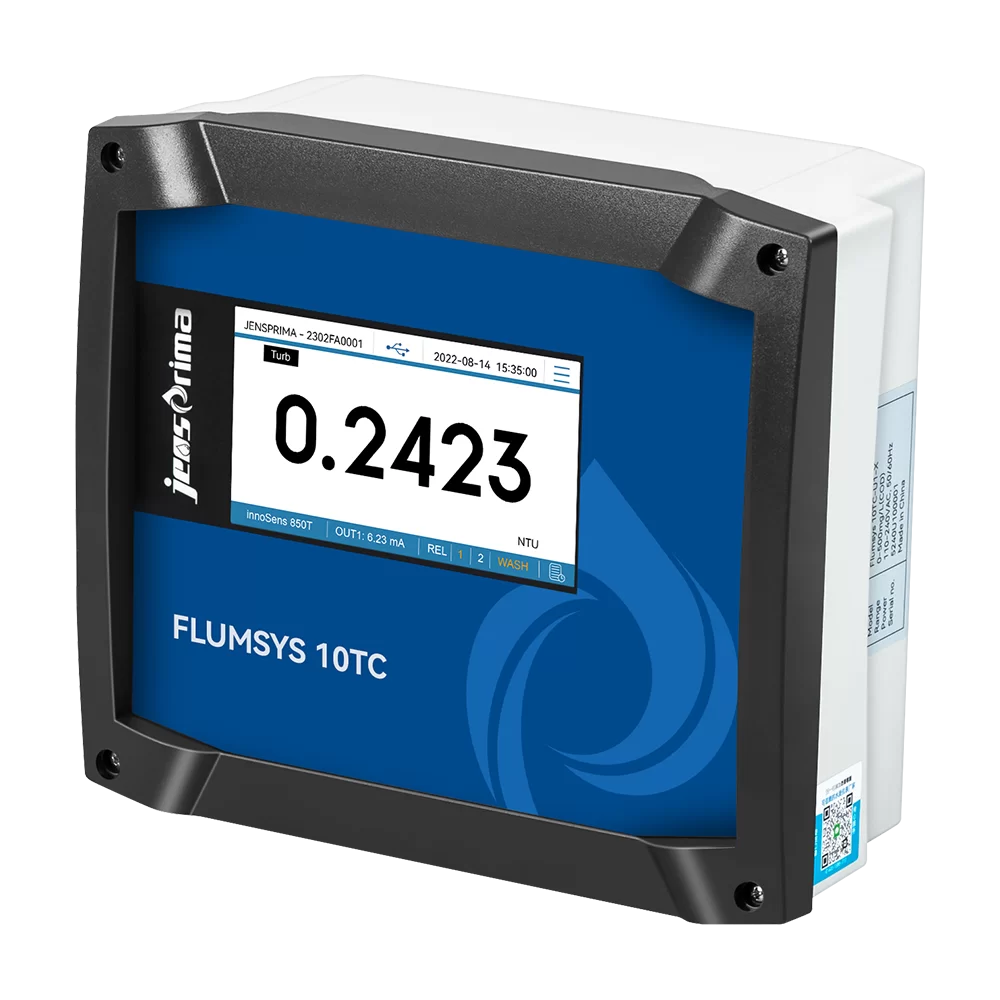
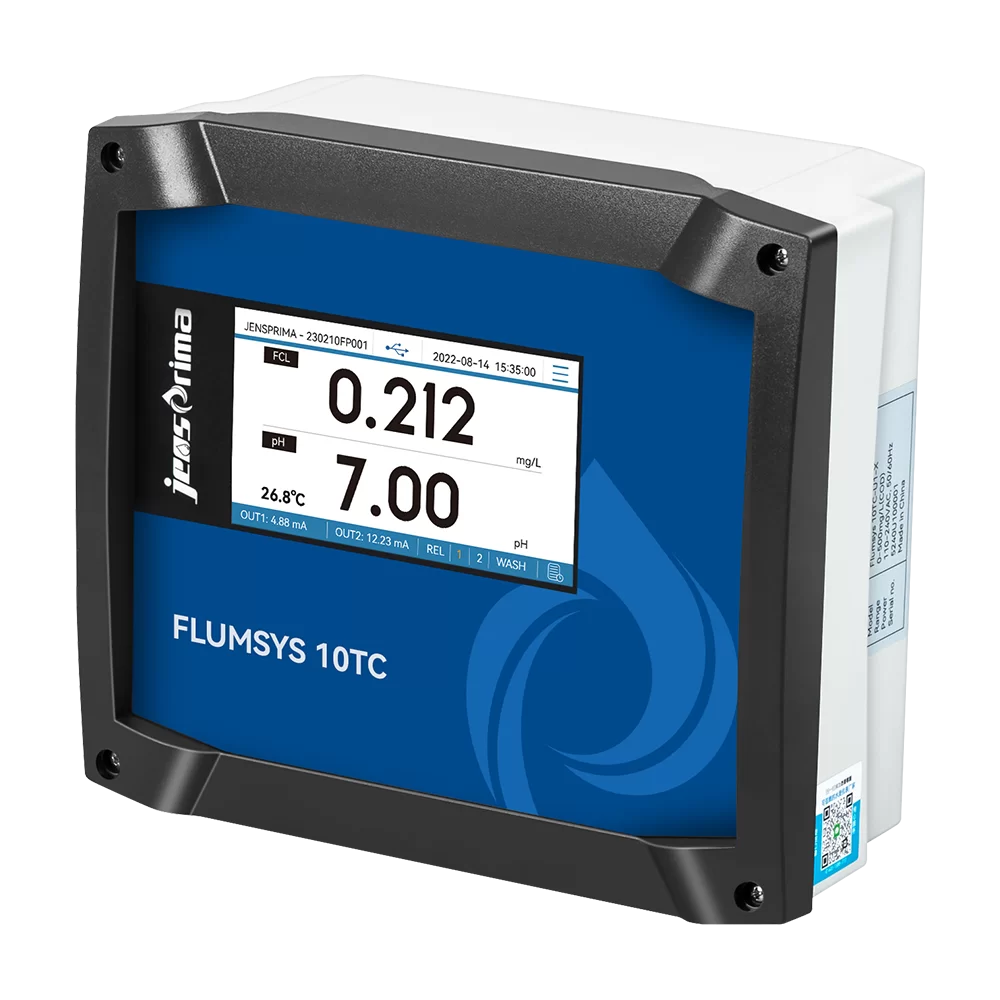
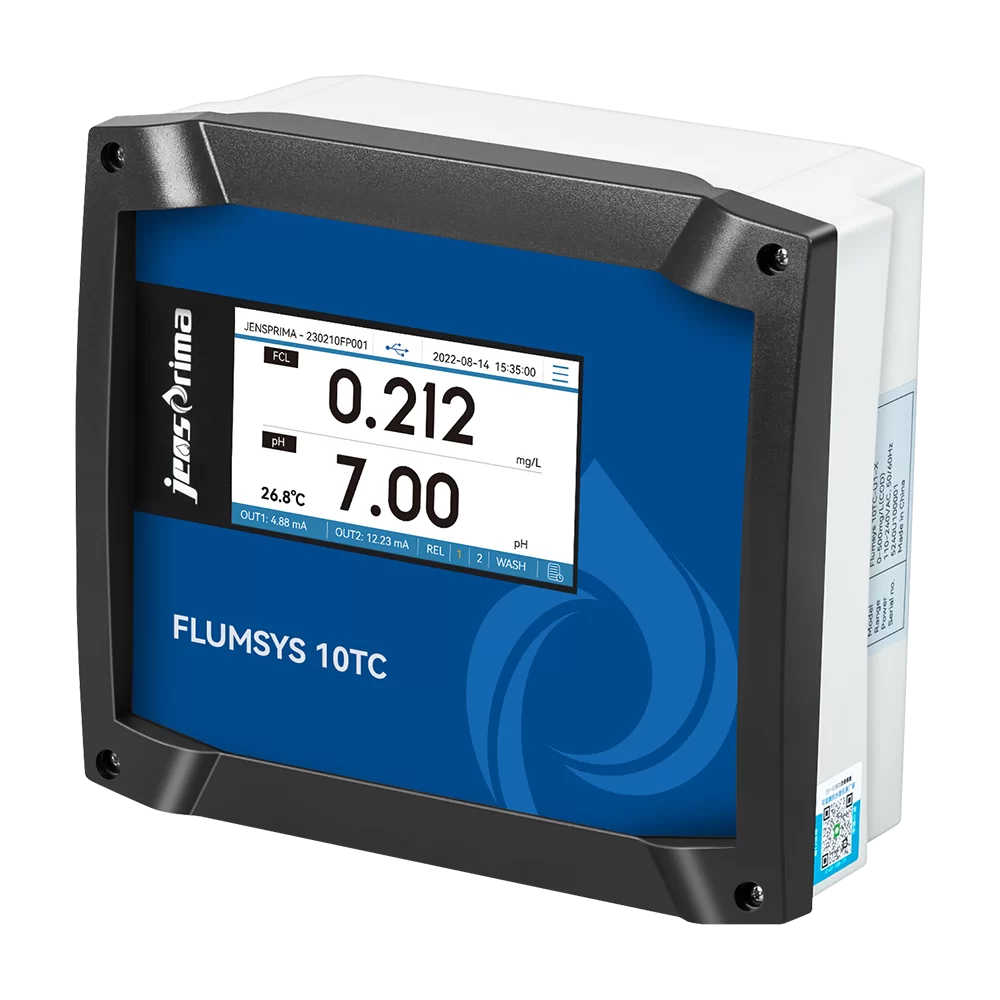
Data logging and connectivity features add to the cost. Analyzers with built-in data storage, GPS capabilities, and wireless communication options for remote data transmission are more expensive than those requiring manual data recording. The level of automation also contributes; automatic calibration and self-cleaning functions increase the price but reduce ongoing maintenance requirements.
Finally, the manufacturer's reputation, warranty provisions, and the availability of technical support influence the price. Established brands with a proven track record often charge a premium for their products and services, offering greater peace of mind and reliability.
Applications of Water Quality Analyzers and Associated Costs
The water quality analyzer price varies significantly depending on the specific application. For municipal water treatment plants, comprehensive multi-parameter analyzers capable of continuous monitoring are essential, representing a higher investment. Conversely, small-scale applications like well water testing or aquaculture may only require a basic handheld meter, with a lower price point.
Environmental monitoring programs, such as river and lake assessments, often necessitate portable analyzers for field measurements, balancing cost and performance. Industrial effluent monitoring requires robust analyzers capable of withstanding harsh conditions and adhering to stringent regulatory standards, again driving up the price.
Comparative Water Quality Analyzer Price by Application
Advantages and Long-Term Value of Accurate Water Analysis
Investing in an accurate water quality analyzer, even at a higher water quality analyzer price, delivers significant long-term value. Proactive identification and mitigation of water contamination risks protect public health, preventing costly outbreaks and medical expenses.
Furthermore, compliance with environmental regulations avoids penalties and maintains a positive corporate reputation. Accurate data supports informed decision-making regarding water treatment processes, optimizing efficiency and reducing operational costs.
Future Trends in Water Quality Analysis and Pricing
The future of water quality analysis is trending towards miniaturization, increased automation, and the integration of artificial intelligence (AI). We can anticipate a decrease in the water quality analyzer price for advanced technologies as production costs decrease and competition increases.
Remote sensing technologies, utilizing drones and satellites, are also gaining traction, offering cost-effective large-scale monitoring solutions. The development of biosensors, employing biological components for highly specific contaminant detection, promises improved accuracy and lower price points.
The rise of the Internet of Things (IoT) will enable real-time data transmission and analysis, fostering more proactive and efficient water management strategies.
Challenges and Solutions in Water Quality Analyzer Price and Implementation
Despite advancements, challenges remain in accessing affordable and reliable water quality analysis. The initial water quality analyzer price can be prohibitive for smaller organizations and developing countries. Maintaining calibration standards and ensuring data accuracy require skilled personnel and ongoing investment.
Solutions include exploring leasing options, government subsidies, and collaborative purchasing programs to reduce upfront costs. Developing user-friendly analyzers with automated calibration features and remote diagnostic capabilities can address the skills gap.
Promoting open-source data analysis tools and fostering knowledge sharing can further democratize access to water quality information and empower communities to protect their water resources.
Summary of Challenges and Solutions in Water Quality Analyzer Implementation
| Challenge |
Impact on Analyzer Price |
Potential Solution |
Cost Effectiveness |
| High Initial Cost |
Limits accessibility, especially for small organizations. |
Leasing Programs, Subsidies |
Medium |
| Calibration Complexity |
Increases operational costs and requires trained personnel. |
Automated Calibration Features |
High |
| Data Interpretation |
Requires expertise, potentially adding to labor costs. |
AI-Powered Data Analysis Tools |
Medium |
| Sensor Drift & Maintenance |
Frequent replacements/maintenance drive up long-term costs. |
Durable Sensor Materials |
High |
| Lack of Standardization |
Difficulty comparing data from different analyzers. |
Industry-Wide Calibration Protocols |
Low |
| Remote Location Deployment |
Logistics and maintenance costs are higher. |
Wireless Data Transmission & Remote Diagnostics |
Medium |
FAQS
The water quality analyzer price is primarily determined by the number of parameters it can measure, the accuracy and stability of its sensors, the level of automation, and the manufacturer's brand reputation. Additional features like data logging, GPS, and wireless connectivity also contribute to the overall cost. Specific sensor types (e.g., for heavy metals versus pH) greatly influence pricing as well.
Portable analyzers are generally less expensive than benchtop models due to their simpler design and lower precision. Benchtop analyzers offer higher accuracy, more comprehensive testing capabilities, and features like automated calibration. A basic portable meter might cost a few hundred dollars, while a sophisticated benchtop system can easily exceed several thousand, depending on its functionalities.
Calibration frequency depends on the analyzer type, usage intensity, and regulatory requirements. Generally, analyzers should be calibrated every six months to a year. Calibration costs vary based on the number of parameters, complexity of the process, and whether it's performed in-house or by a third-party service. Expect to pay anywhere from $100 to $500 per calibration, depending on these factors.
Yes, numerous affordable handheld meters are available for basic water quality testing, such as pH, TDS (Total Dissolved Solids), and chlorine levels. These meters typically range in price from $50 to $300. While they may not offer the precision of more expensive analyzers, they are sufficient for routine home monitoring and can provide valuable insights into water safety.
The lifespan of a water quality analyzer varies from 5 to 10 years, depending on the quality of construction, usage frequency, and maintenance practices. Considering the lifespan alongside calibration, sensor replacements, and potential repairs is crucial for calculating the total cost of ownership. Investing in a durable, well-maintained analyzer can often be more cost-effective in the long run.
IoT and AI are driving innovation in water quality monitoring, leading to more sophisticated and automated systems. While initial costs may be higher, these technologies offer benefits like real-time data transmission, remote diagnostics, and predictive maintenance, which can reduce long-term operational expenses. AI-powered data analysis also enhances accuracy and provides deeper insights into water quality trends.
Conclusion
The water quality analyzer price is a complex consideration, influenced by a multitude of factors ranging from technical specifications to intended application. However, investing in accurate and reliable water quality analysis is not merely an expenditure but a crucial investment in public health, environmental sustainability, and responsible resource management. By understanding the components driving cost, evaluating long-term value, and embracing emerging technologies, organizations and individuals can make informed decisions that safeguard our most precious resource.
As technology continues to advance, we can anticipate even more affordable and accessible water quality monitoring solutions. Proactive investment in these technologies, combined with robust regulatory frameworks and collaborative data sharing initiatives, will be essential for addressing the growing global challenges related to water scarcity and contamination. Visit our website at www.jensprima.com to explore our range of water quality analyzers and find the perfect solution for your needs.


 Download
 Video Center
 Technical Services
 FAQS
FAQS Service Network
 Privacy Policy
 Contact Us